I’ll be honest: traveling to Port Moresby on a budget isn’t easy. Papua New Guinea’s capital has a reputation for being expensive, complex, and challenging to navigate. But I’m nothing if not determined. I arrived with a modest budget, a cautious mindset, and a genuine curiosity about a place few budget travelers visit. What I discovered surprised me: beneath the logistical hurdles, Port Moresby offers rich culture, stunning natural beauty, and unexpected moments of warmth. If you’re considering this off-the-radar destination, I’m sharing exactly how I experienced it without overspending—and how you can too.
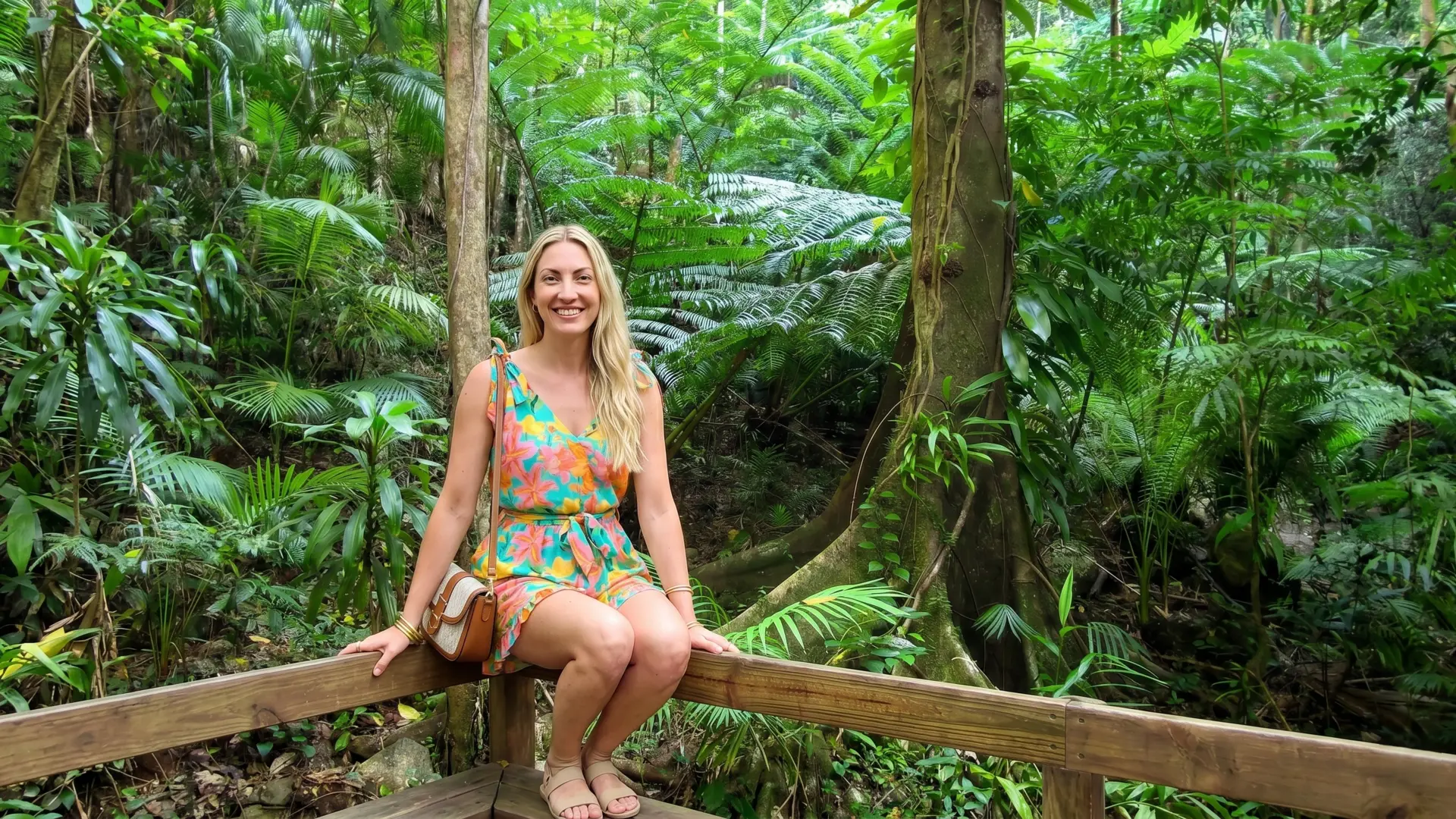
Why I Chose Port Moresby (And Why You Might Too)
Port Moresby isn’t your typical backpacker hub. It doesn’t have the well-worn tourist trails of Southeast Asia or the budget infrastructure of Latin America. But that’s precisely why I came. I wanted to experience a place where tourism hasn’t been packaged and polished—a city where daily life unfolds authentically, where culture runs deep, and where the landscape shifts from coral reefs to rainforest within minutes.
Yes, it requires more planning. Yes, costs run higher than neighboring destinations. But if you approach Port Moresby with realistic expectations and smart strategies, it’s entirely possible to explore meaningfully on a budget. I did it—and I’m sharing my playbook so you can too.
How I Got to Port Moresby (Flights, Visas & Entry)
Getting to Papua New Guinea isn’t cheap, but I found ways to minimize costs:
Flights:
- I flew into Jacksons International Airport (POM) via Brisbane, Singapore, or Kuala Lumpur.
- Budget tip: I booked 6–8 weeks in advance and used Skyscanner’s “whole month” view to find the cheapest dates.
- Airlines: Air Niugini, Qantas, Singapore Airlines, and Malaysia Airlines serve POM. I found the best deals on Air Niugini during promotional periods.
Visa Requirements:
- I applied for a tourist visa online through the Papua New Guinea Immigration & Citizenship Authority website (~$100 USD for most nationalities).
- Processing took ~5–7 business days. I printed my approval letter and carried it with my passport.
Entry Tips:
- I declared all electronics, medications, and food items at customs to avoid delays.
- I exchanged a small amount of currency (~$50 USD) at the airport for immediate transport, then used ATMs in the city for better rates.
My takeaway: Flights are the biggest expense. Once I was on the ground, daily costs became more manageable with careful planning.
Where I Stayed: Budget Accommodation That Actually Works
Let’s address the elephant in the room: Port Moresby isn’t cheap for lodging. But I found options that balanced safety, comfort, and cost.
- My Pick: Budget Guesthouses & Motels (~$80–100/night)
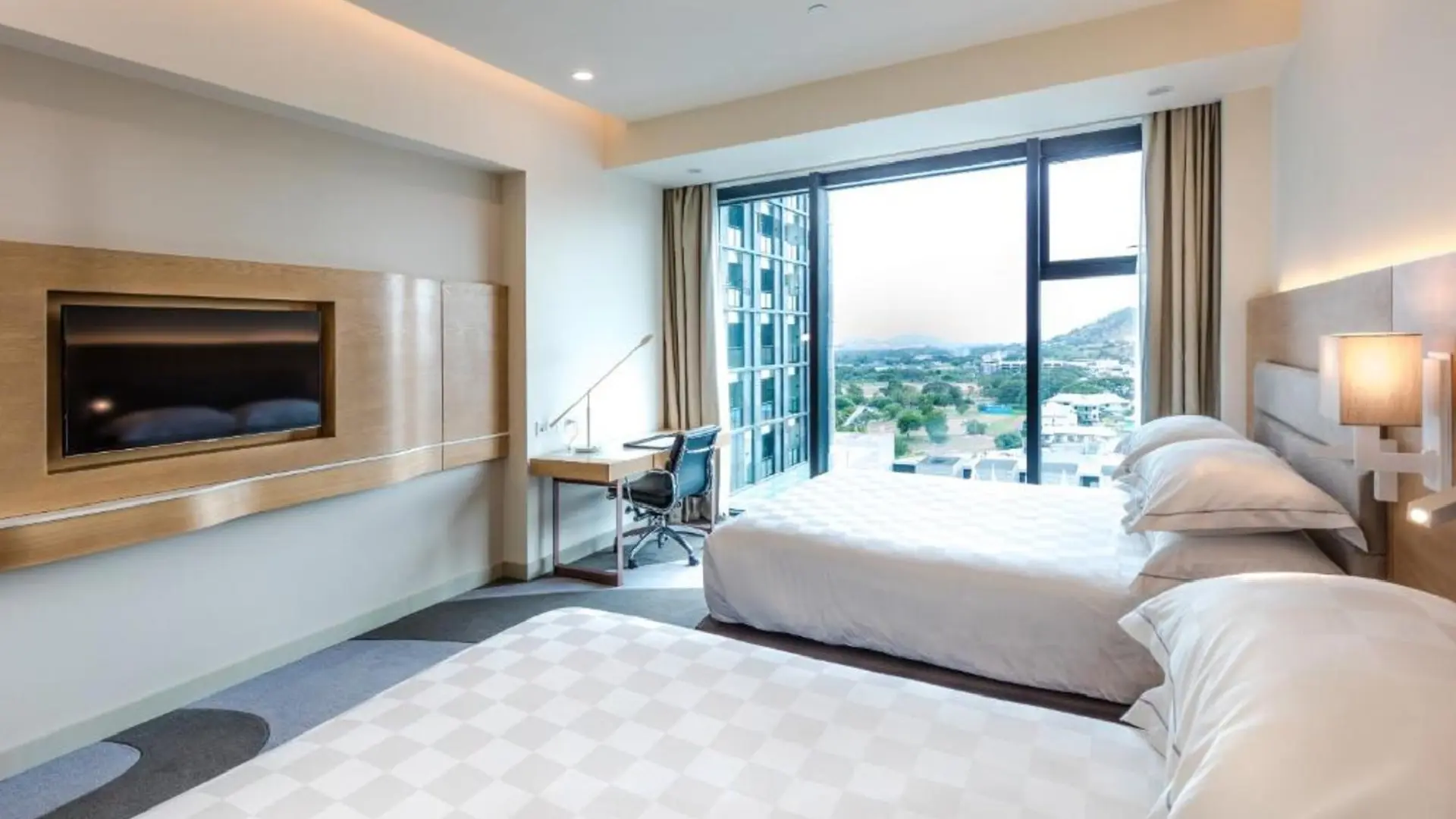
I stayed at a secure guesthouse in the Waigani suburb. For ~$90/night, I got:
- A clean, air-conditioned room with reliable electricity
- 24/7 security guards and gated access
- Breakfast included (simple but filling)
- Helpful staff who arranged airport transfers and local tips
Why this matters: In Port Moresby, security isn’t optional. I prioritized properties with verified safety measures over rock-bottom prices. It was worth the extra cost for peace of mind.
Other Options I Researched:
- Stanley Hotel: Basic but secure, ~$120/night, central location
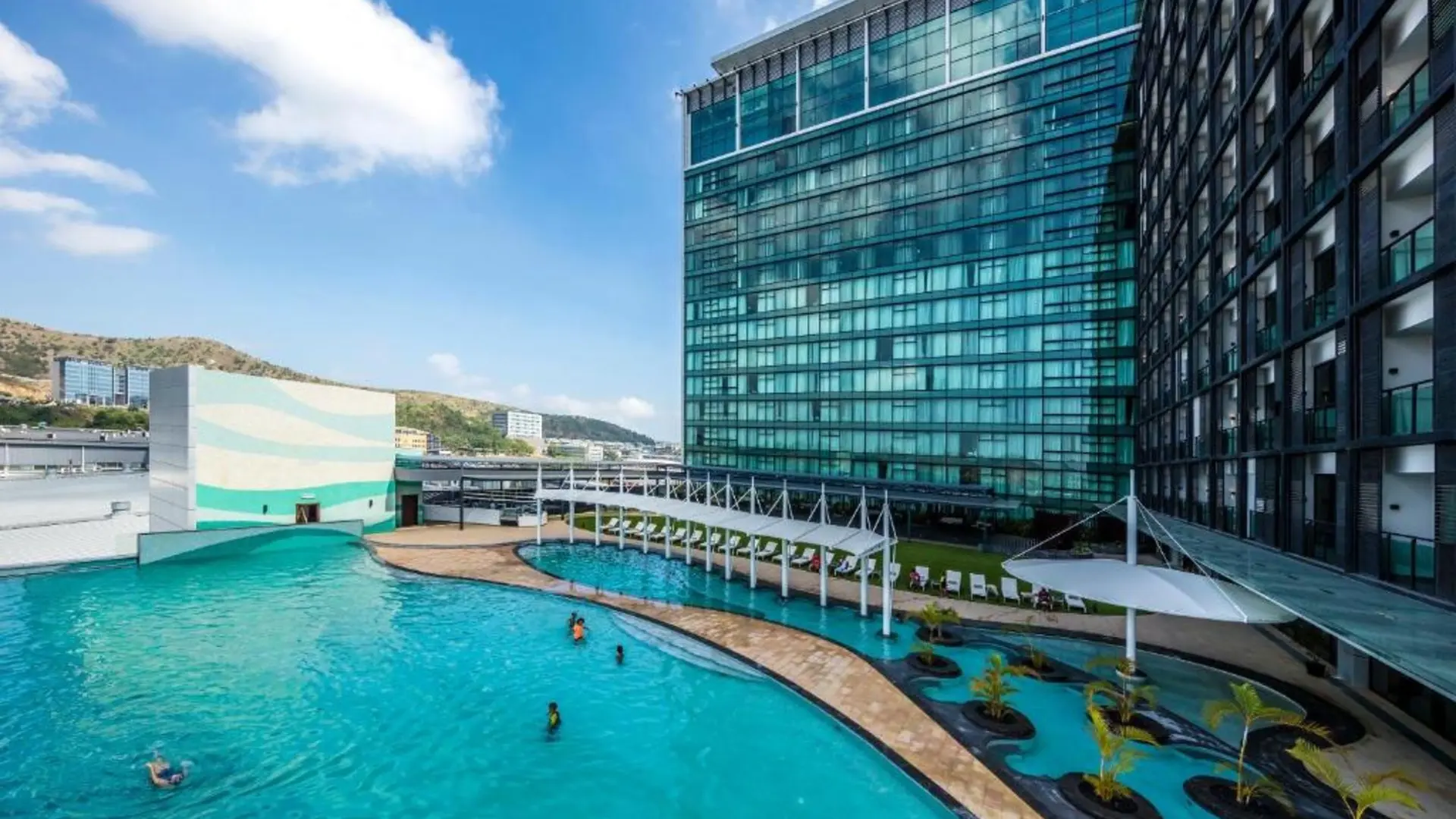
- Hilton Port Moresby Hotel & Residences : Slightly pricier (~$110/night) but includes shuttle service and reliable Wi-Fi
- Airbnb: I found a few private rooms for ~$70–90/night, but I always verified host reviews and safety features before booking
Booking tip: I used agoda.com with filters for “24-hour security” and “airport shuttle.” I messaged properties directly to confirm safety protocols and negotiate rates for longer stays.
- High-End Option (If Budget Allows):
The Hilton Port Moresby starts around $145–150/night. I didn’t stay here, but I visited for coffee and appreciated the reliable Wi-Fi, safe environment, and helpful concierge for arranging tours.
Safety & Logistics: My Non-Negotiable Rules
Port Moresby requires a different approach than typical budget destinations. These practices kept me safe and stress-free:
- I never walked alone after dark. Even short distances required a taxi or hotel shuttle.
- I kept valuables discreet. No flashy jewelry, expensive cameras on display, or phones out while walking.
- I used trusted transportation. I booked airport transfers through my accommodation and used hotel-recommended taxis for city travel.
- I stayed aware of my surroundings. I avoided displaying maps or looking lost in public. When unsure, I stepped into a shop or café to reorient.
- I carried a copy of my passport and visa. I kept originals in my room safe and carried photocopies for daily outings.
Important note: These precautions aren’t meant to scare you—they’re practical steps that let me explore confidently. Port Moresby has incredible offerings; respecting local realities just ensures I experience them safely.
Budget-Friendly Activities I Loved (Mostly Free or Very Cheap)
Port Moresby surprised me with how much I could experience without spending much. Here’s what I prioritized:
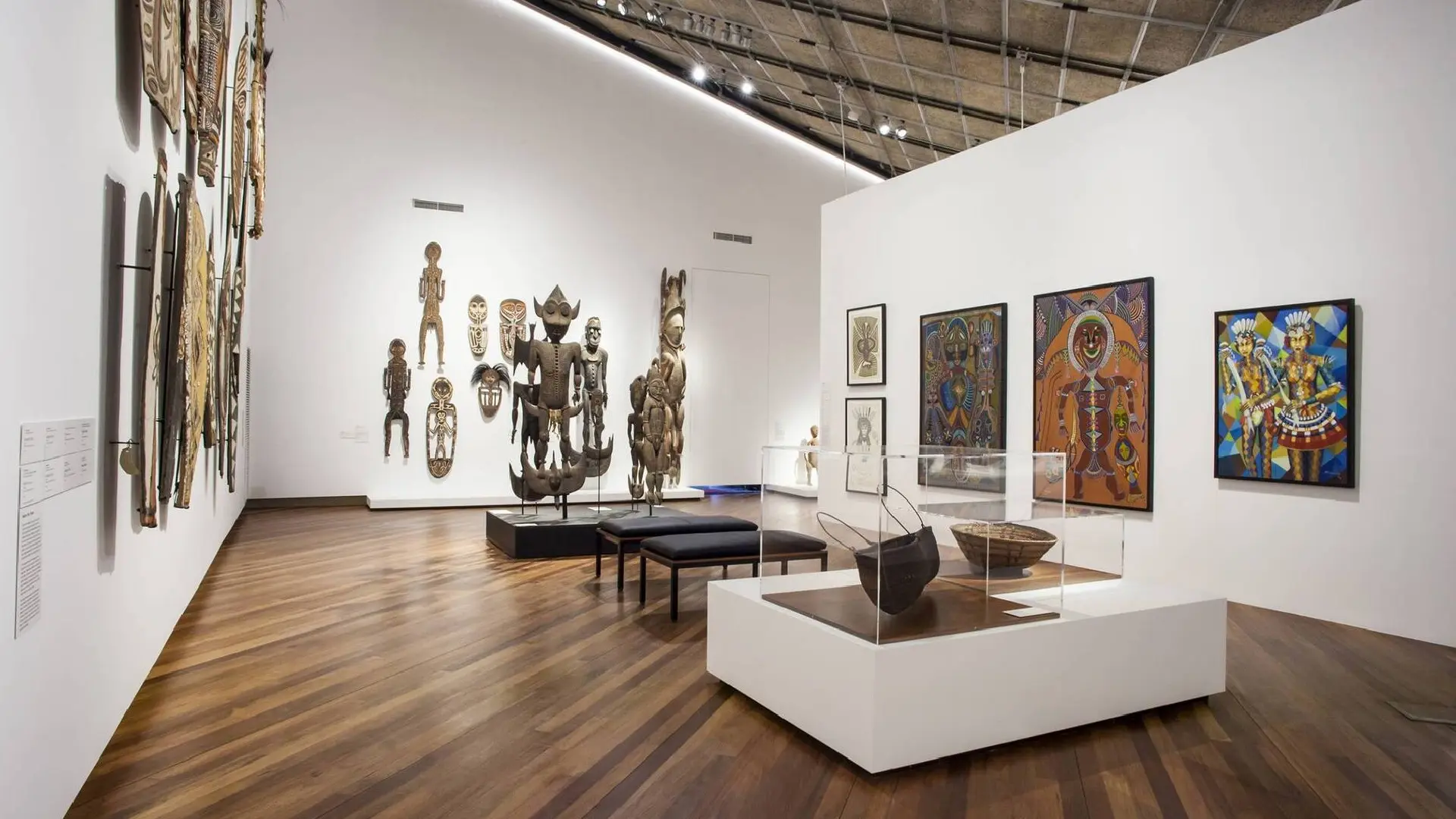
- National Museum and Art Gallery (Free)
I spent a morning here and left with a deeper understanding of Papua New Guinea’s 600+ cultural groups. The exhibits on traditional masks, canoe carving, and contemporary art were fascinating. Free admission, air-conditioned, and centrally located—perfect for a hot afternoon.
- Ela Beach (Free)
I visited Ela Beach at sunset, and it was magical. Families picnicked, kids played soccer, and vendors sold fresh coconuts and grilled corn (~2–5 PGK, less than $2 USD). I brought a book, found a shaded spot, and watched the sky turn pink over the Coral Sea. Tip: I went on weekends for the liveliest atmosphere, but weekdays offered more tranquility.

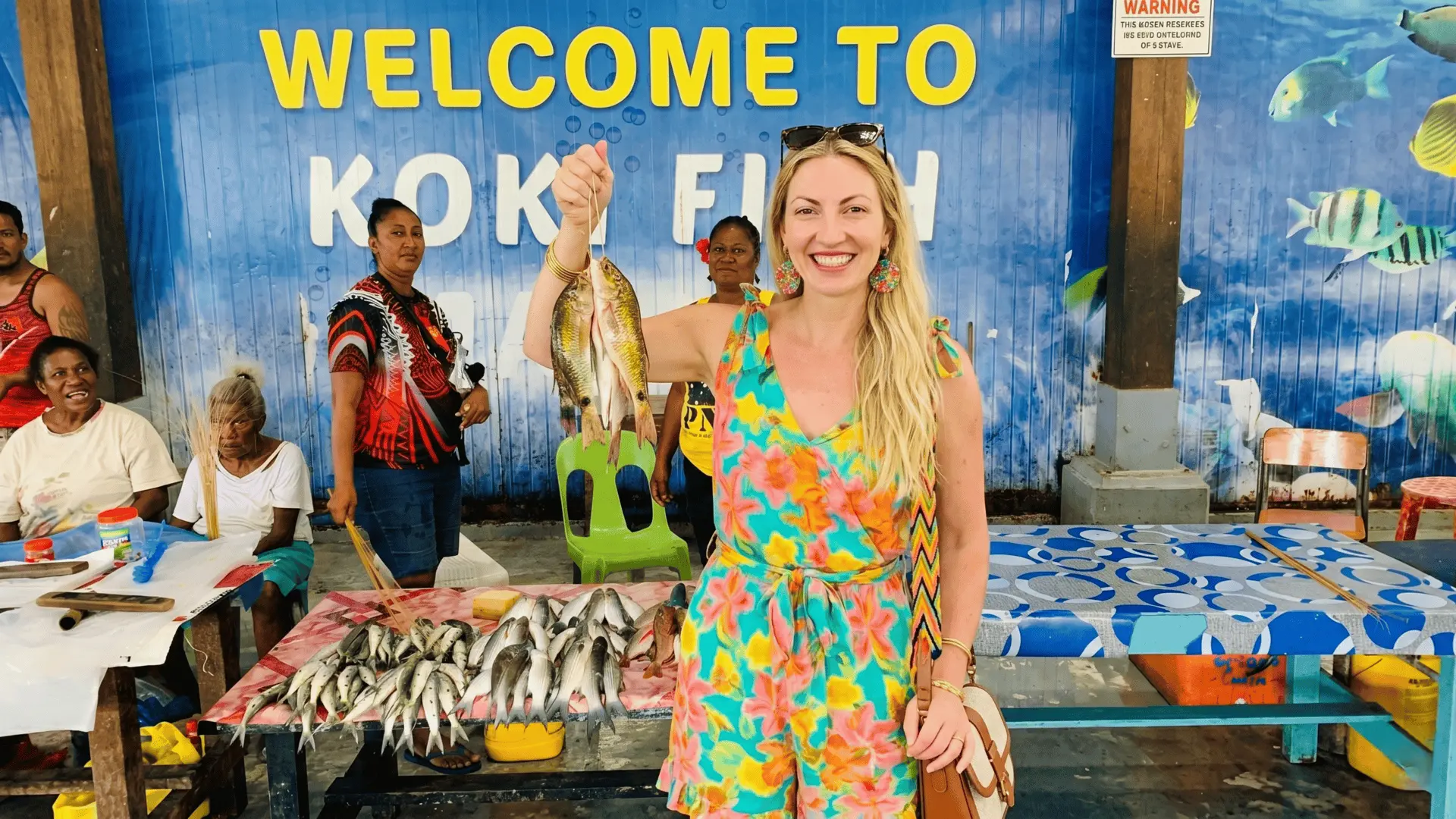
- Koki Market (Free to Browse)
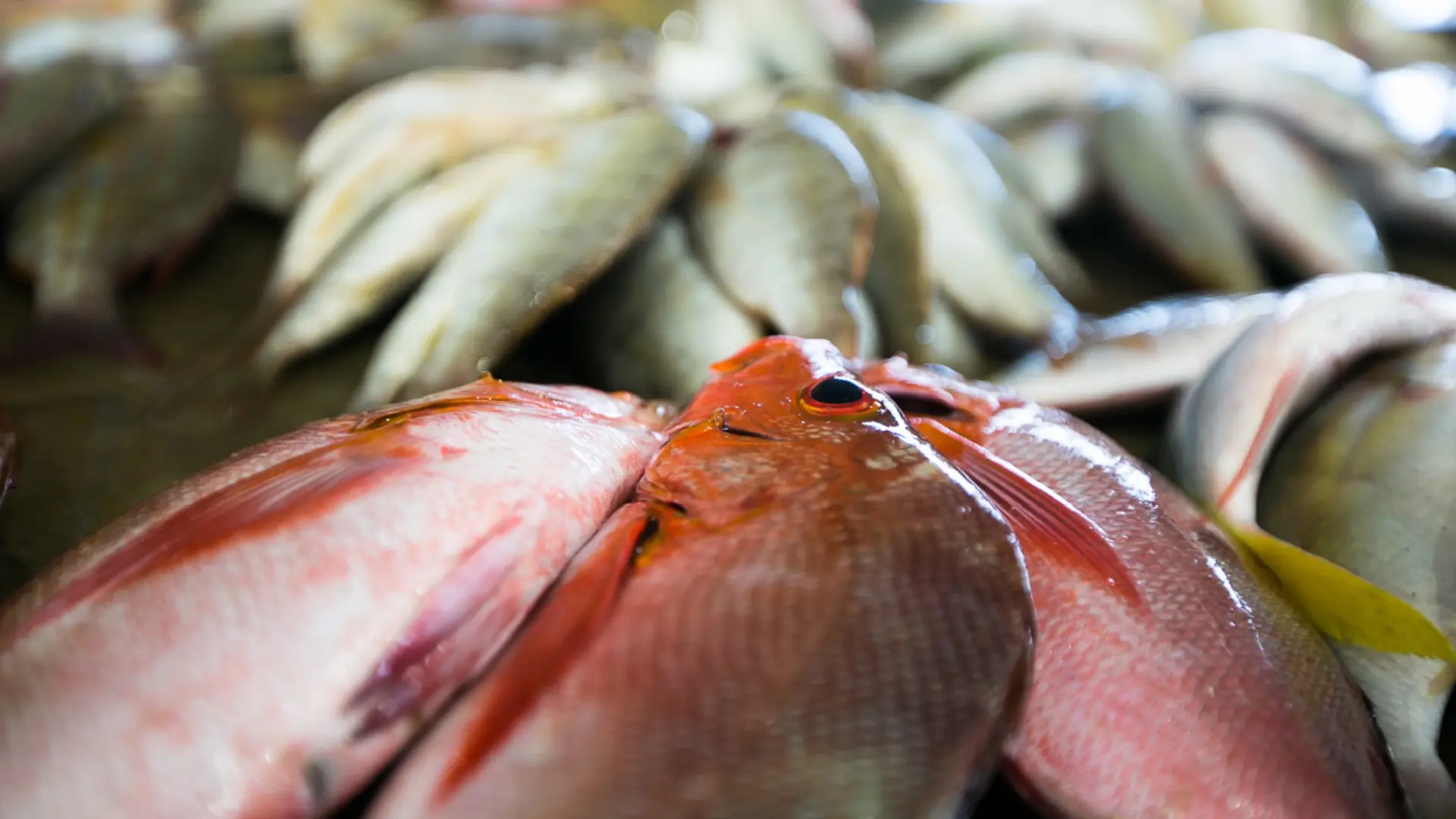
This vibrant market near the waterfront is where locals sell fresh produce, fish, and handmade crafts. I loved watching vendors unload boats at dawn and bargaining for tropical fruit (mangoes, papayas, and bananas for ~1–3 PGK each). I didn’t buy souvenirs here (prices are higher than in villages), but the cultural immersion was priceless.
- Bomana War Cemetery (Free)

A short taxi ride from the city center, this peaceful memorial honors over 3,800 Allied soldiers who died in WWII’s Pacific campaign. I walked the manicured grounds, read the inscriptions, and reflected on the region’s complex history. Free entry, respectful atmosphere, and a powerful reminder of why cultural exchange matters.
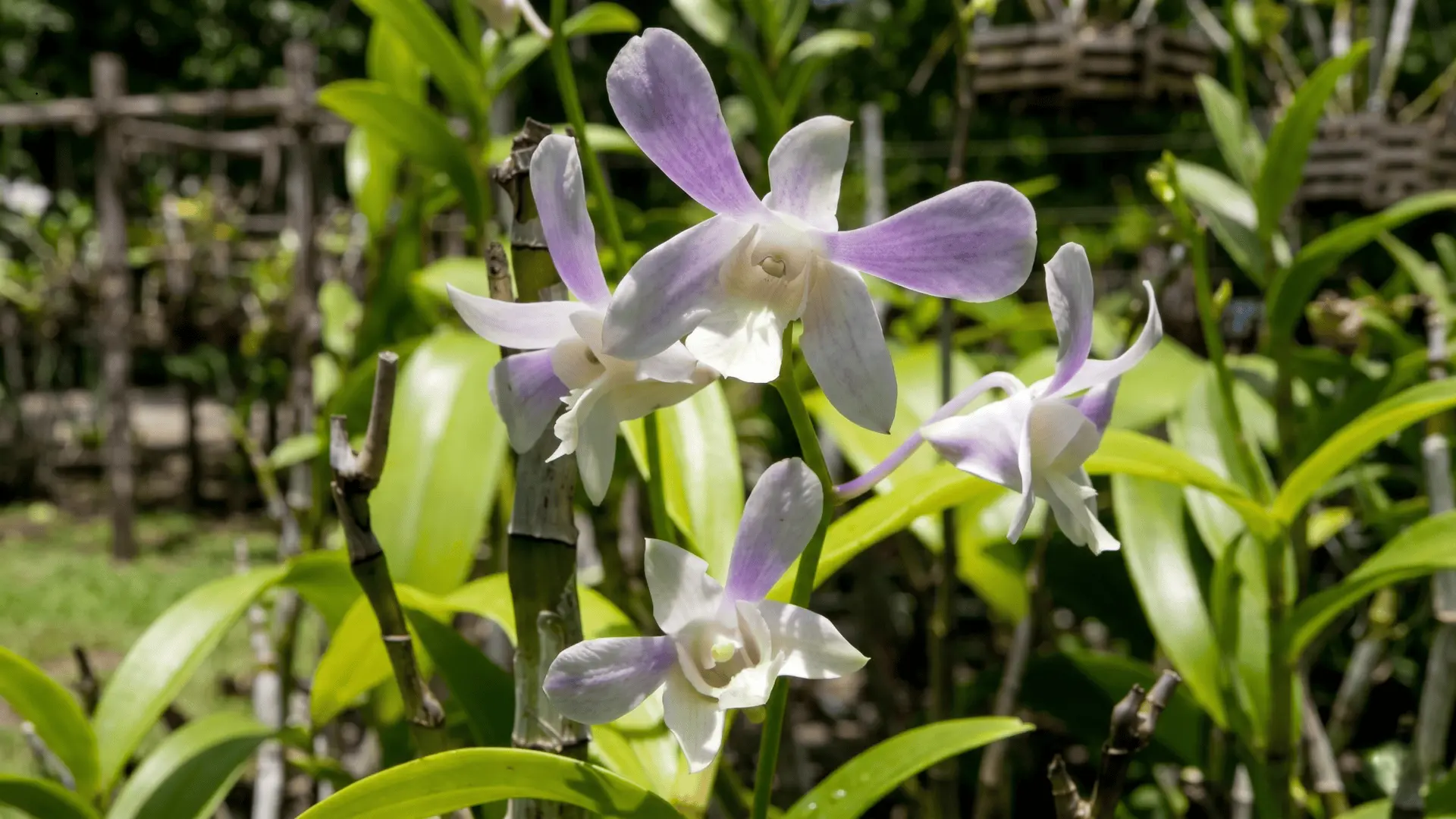
- Port Moresby Nature Park & National Orchid Garden (~PGK 10 / ~$3 USD)
I spent an afternoon here wandering among native birds, tree kangaroos, and Papua New Guinea’s stunning orchid collection. The park is well-maintained, educational, and perfect for photography. At ~$3 entry, it’s one of the best values in the city.
- Varirata National Park (~PGK 10 / ~$3 USD)
For a change of pace, I took a half-day trip to this coastal park. Easy hiking trails, birdwatching opportunities, and panoramic views of the Gulf of Papua made it worth the short journey. I packed water and snacks, hired a shared taxi with other travelers (~20 PGK round-trip), and spent a morning reconnecting with nature.

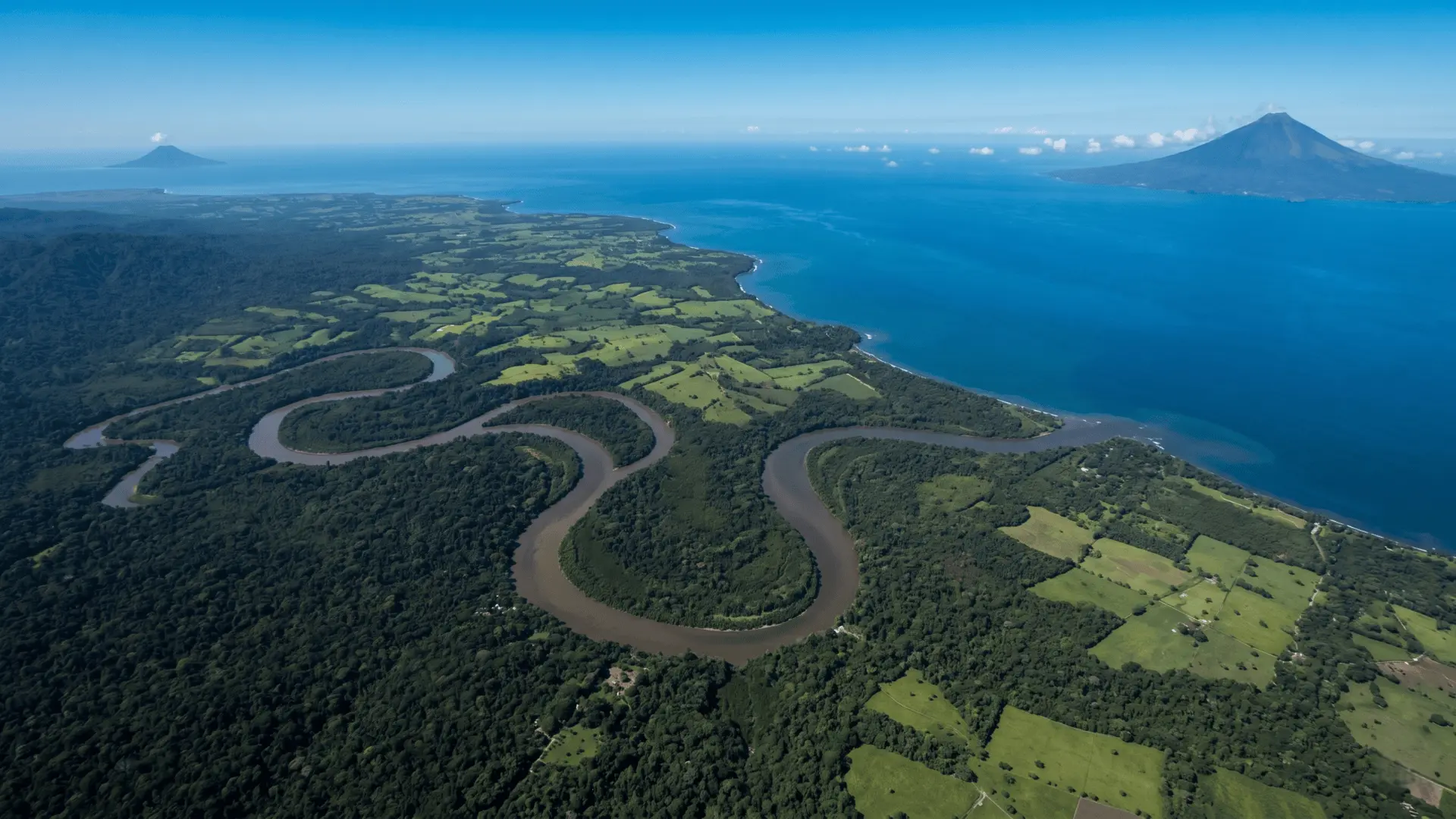
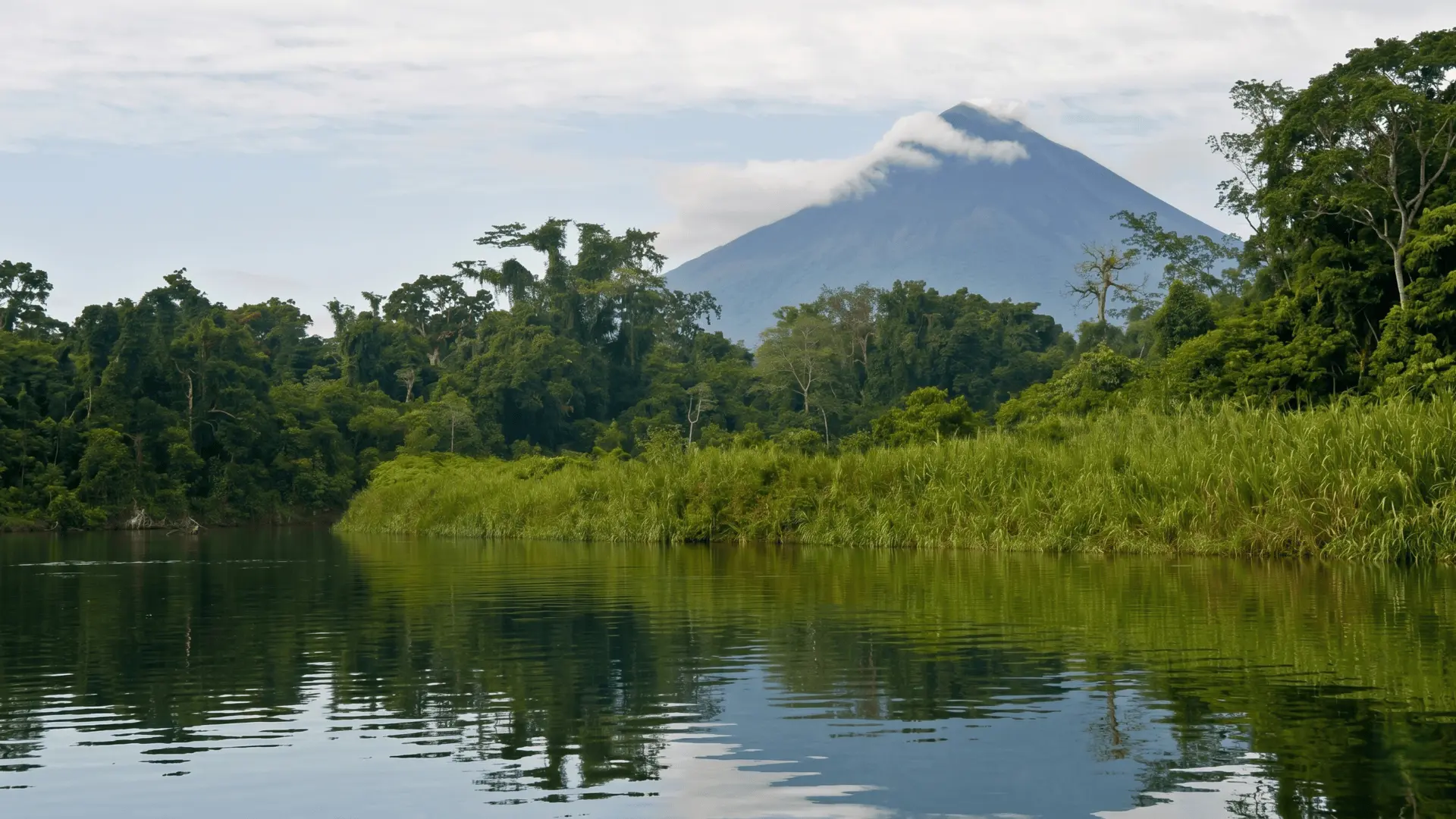
- Ulawun Volcano
Ulawun Volcano, one of Papua New Guinea’s most active and impressive volcanoes, dominates the landscape of New Britain and is often visible from the air when flying into or out of Port Moresby. Visiting this powerful stratovolcano requires careful preparation due to its remote location. It is essential to travel with an experienced local guide or join a specialized expedition with operators such as VolcanoAdventures, led by professional volcanologists. Always check the current volcanic status through the Smithsonian Global Volcanism Program and the Rabaul Volcanological Observatory before planning your trip. Pack sturdy hiking shoes, sun protection, and a mask for ash and sulfur fumes. Most importantly, respect the local communities surrounding Ulawun by following cultural protocols and the guidance of village leaders.
Where I Ate: Local Flavors on a Budget
Eating out in Port Moresby can be expensive at international restaurants, but I found affordable, authentic options:
Local Markets & Street Food:
- Koki Market stalls: Fresh fruit, grilled fish, and mumu (traditional earth-oven cooking) for ~5–15 PGK ($1.50–$4.50 USD)
- Roadside kai bars: Simple meals of rice, chicken, and greens for ~10–20 PGK ($3–$6 USD)
Sit-Down Meals on a Budget:
- The Coffee Club (Waigani): Reliable breakfasts and light lunches for ~25–40 PGK ($7–$12 USD). I appreciated the air conditioning and Wi-Fi for planning my day.
- Magi Seafood: Fresh catch prepared simply, ~30–50 PGK ($9–$15 USD). I took a short taxi ride for this experience—it felt authentic and supported local fishermen.
- Hotel restaurants at lunch: Many upscale hotels offer affordable lunch buffets (~30–45 PGK) that are pricier at dinner. I used this strategy for a comfortable meal without the dinner price tag.
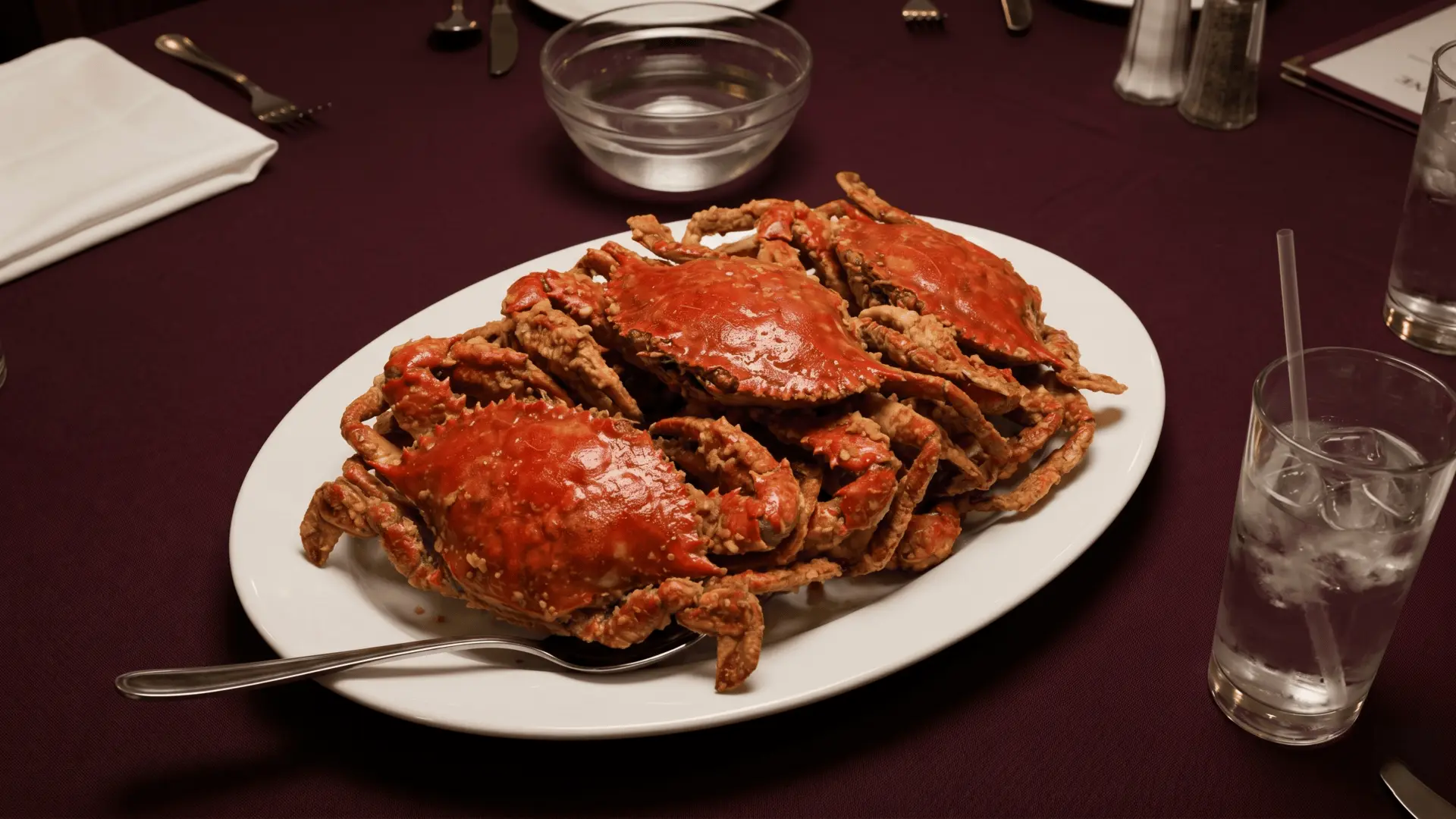
My budget eating rule: I ate my main meal at lunch when prices were lower, kept dinners simple with market snacks, and always carried water to avoid buying expensive beverages.
Getting Around Port Moresby: My Transportation Strategy
Public transportation in Port Moresby isn’t tourist-friendly, so I relied on these options:
Taxis (My Primary Choice):
- I used hotel-recommended taxis or booked through my accommodation.
- Short trips within the city: ~20–40 PGK ($6–$12 USD)
- Always agreed on the fare before departing (meters are rarely used)
Hotel Shuttles:
- Many accommodations offer free or low-cost shuttles to key areas like Ela Beach, the museum, or shopping centers.
- I planned my outings around shuttle schedules to minimize taxi costs.
Rental Cars (If Comfortable Driving):
- I considered this option but decided against it due to unfamiliar road conditions and safety concerns.
- If you choose this route, I recommend booking through reputable agencies and getting comprehensive insurance.
Walking:
- I walked only in well-trafficked, daylight areas like the museum precinct or Ela Beach promenade.
- Never carried valuables or looked like a lost tourist.
Pro tip: I saved my accommodation’s phone number and the local emergency contacts in my phone before venturing out. A quick call could arrange pickup if plans changed.
Money-Saving Hacks I Swear By
After my visit, these strategies helped me stretch every kina:
- Carry small denominations: Many vendors and taxi drivers struggle to break large notes. I kept 10 and 20 PGK bills handy for small purchases.
- Use ATMs at banks, not standalone machines: I avoided Euronet-style ATMs and used branches of BSP or Westpac for better rates and lower fees.
- Buy water and snacks at supermarkets: Prices at hotels and tourist spots are marked up significantly. I stocked up at Stop & Shop or RH Hypermarket.
- Travel with a reusable water bottle: Tap water isn’t reliably potable, but many accommodations provide filtered water for refills.
- Negotiate respectfully: For taxis and market purchases, I started at ~70% of the asking price and met somewhere in the middle with a smile.
- Visit free attractions first: I built my itinerary around free sights like the museum and beaches, then added paid activities if budget allowed.
Final Thoughts
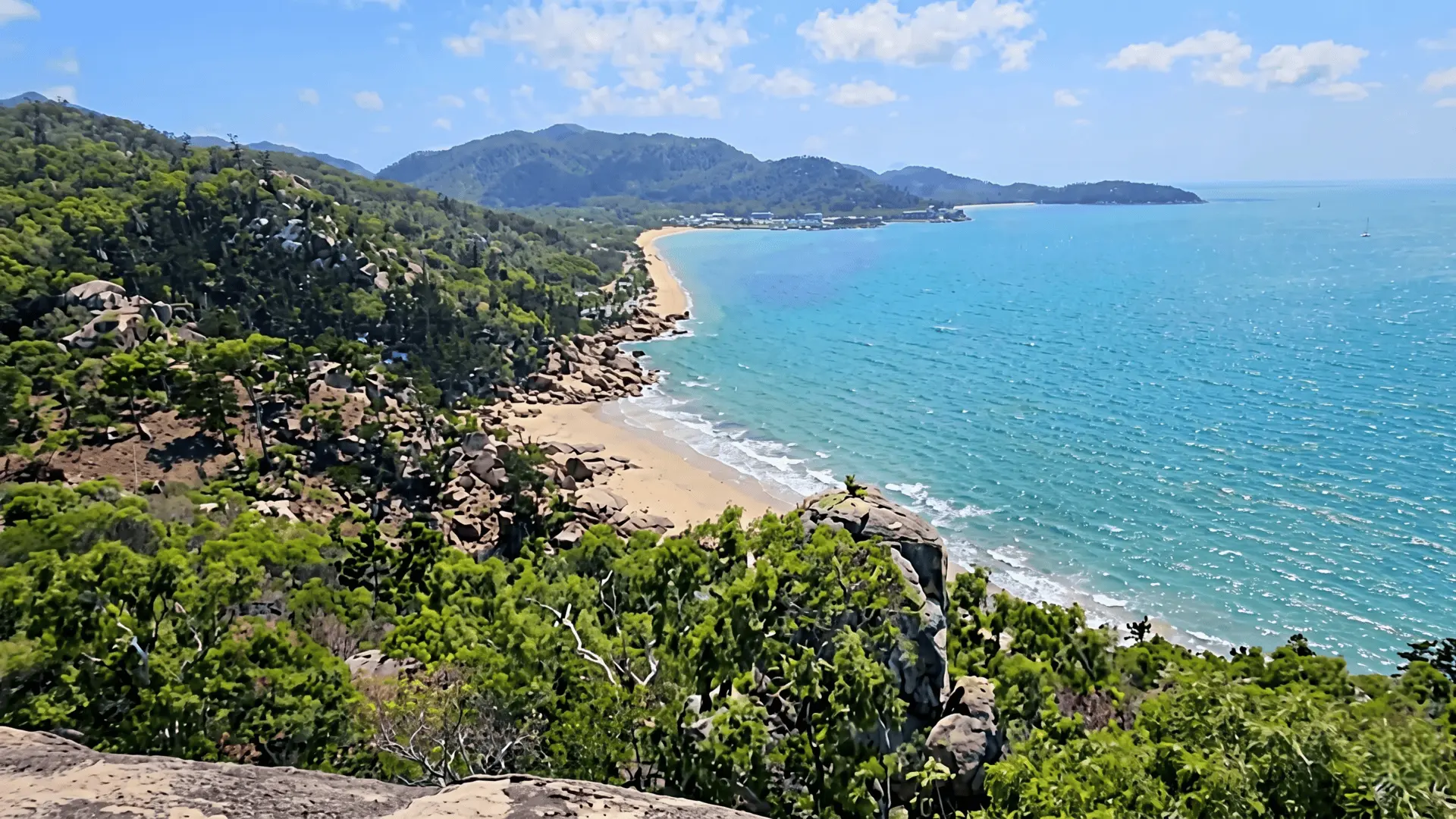
Port Moresby challenged me in ways few destinations have. It demanded more planning, more caution, and more flexibility than my typical budget trips. But it also rewarded me with moments I’ll never forget: the warmth of a market vendor who taught me a few Tok Pisin phrases, the quiet beauty of a coral reef at sunrise, the profound history woven into every corner of this complex city.
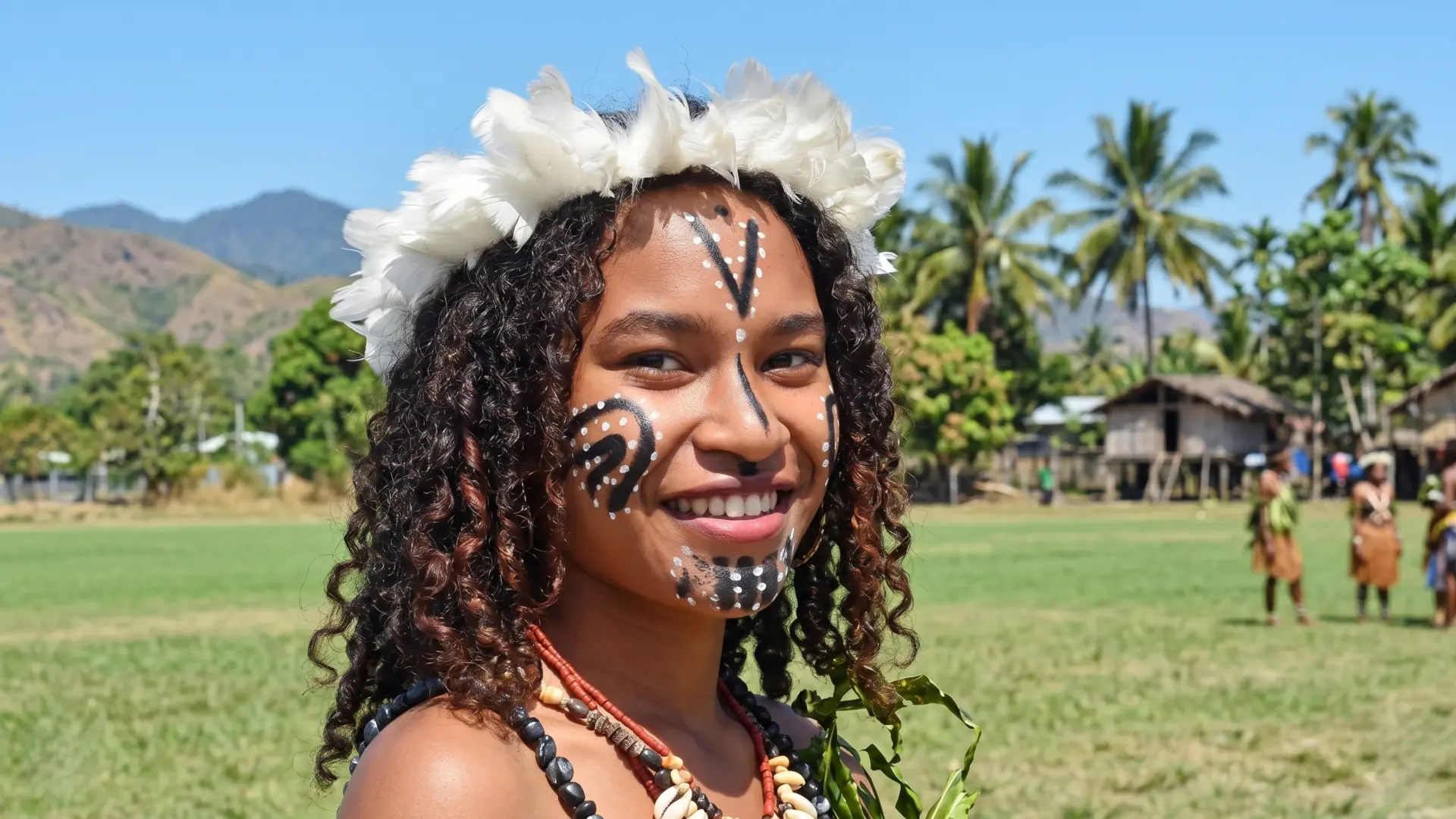
If you’re considering Port Moresby, I won’t sugarcoat it: this isn’t a casual backpacker stop. But if you approach it with respect, preparation, and an open heart, you’ll discover a destination unlike any other. I came on a budget and left with memories no price tag could measure. And honestly? I’m already planning my return.
Have I mapped out my Port Moresby itinerary yet, or am I still gathering courage for this unique adventure? Drop your questions below—I’m always happy to share exact guesthouse contacts, my favorite market times, or how I navigated airport transfers without stress. Save this guide, share it with your travel companion, and pack your curiosity. I’ll see you in Papua New Guinea.