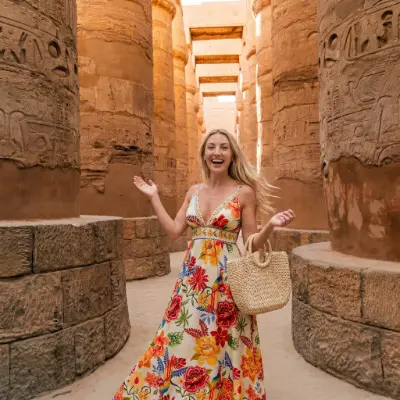
I still remember the moment I stepped into the Fez medina for the first time. The scent of spices and cedarwood, the call to prayer echoing off ancient walls, the endless maze of alleyways where every turn revealed something new. Fez isn’t just a city—it’s a living museum, a sensory overload, and one of the most authentic experiences I’ve had in Morocco. If you’re planning a trip and want to explore this imperial city without overspending, I’m sharing exactly how I did it.
How I Got to Fez (Budget-Friendly Transportation Options)
Getting to Fez is easier and more affordable than I expected. Here’s how I navigated my way there:
By Train (My Preferred Option)
I took the ONCF train from both Casablanca and Tangier, and it was comfortable, reliable, and budget-friendly.
- From Casablanca: ~3.5 hours, ~120–180 MAD ($12–$18) for second class
- From Tangier: ~4.5 hours, ~150–200 MAD ($15–$20)
- From Marrakech: ~7 hours, ~200–280 MAD ($20–$28)
My tip: I always book first-class for longer journeys—it’s still affordable and noticeably more spacious. I purchase tickets at the station or via the ONCF app to avoid last-minute markups.
By Bus (Cheapest Option)
If I’m truly pinching pennies, I choose CTM or Supratours buses.
- From Casablanca: ~4 hours, ~80–120 MAD ($8–$12)
- From Tangier: ~5 hours, ~100–140 MAD ($10–$14)
- From Marrakech: ~8–9 hours, ~150–200 MAD ($15–$20)
Buses are clean and punctual, but trains offer more legroom and scenic views. I only choose buses when train schedules don’t align with my plans.
By Plane (Fastest, Priciest)
Fez-Saïs Airport (FEZ) receives flights from major European cities and Moroccan hubs.
- Budget carriers: Ryanair, Air Arabia, and Royal Air Maroc often have deals
- From Lisbon/Paris/Madrid: ~2 hours, ~€40–80 one-way if booked in advance
- Airport to city: Petit taxi to the medina runs ~70–100 MAD ($7–$10)
I only fly when time is tight. Otherwise, I prefer the train for the experience and savings.
By Grand Taxi (For Flexibility)
Shared grand taxis run between nearby cities like Meknes (~30 minutes, ~30–40 MAD per seat). I use this option for short hops when buses or trains aren’t convenient.
A Quick History Lesson: Why Fez Matters
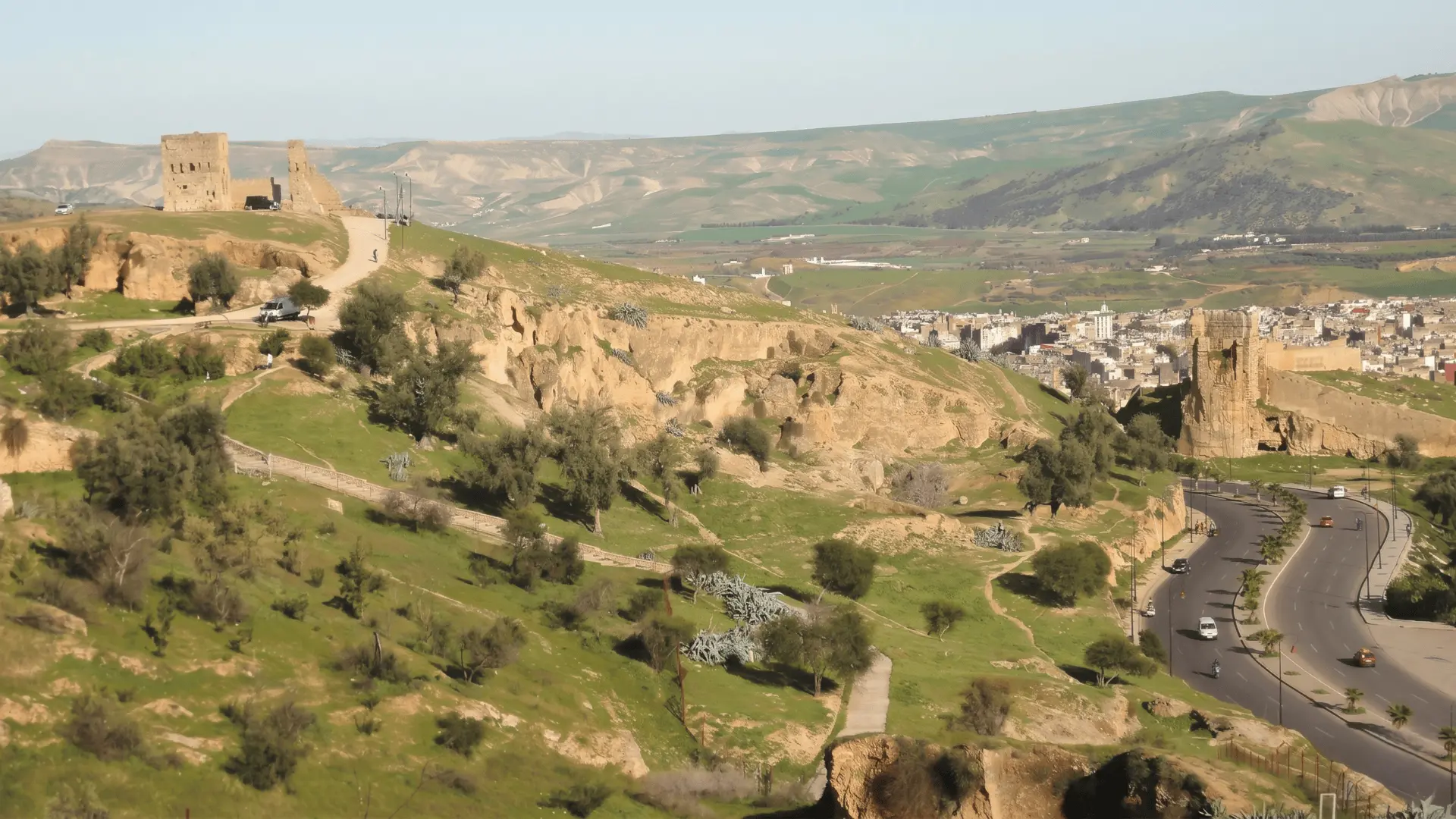
Before I explored Fez, I wanted to understand its story. Founded in the 9th century by Idriss II, Fez grew from a sleepy village into a fortified imperial city. Jewish refugees from Spain helped transform it into the region’s most important trade center, and their influence still echoes in the medina’s architecture and craftsmanship.
In 860 AD, a woman from Tunisia named Fatima al-Fihri began building the Al-Qarawiyyin Mosque. What started as a place of worship evolved into the world’s first university—teaching Islam, mathematics, astronomy, and calligraphy centuries before Europe’s earliest institutions. Walking past Al-Qarawiyyin today, I feel the weight of that legacy. This isn’t just a city; it’s a cornerstone of human knowledge.
Exploring the Fez Medina: My Favorite Way to Spend a Day
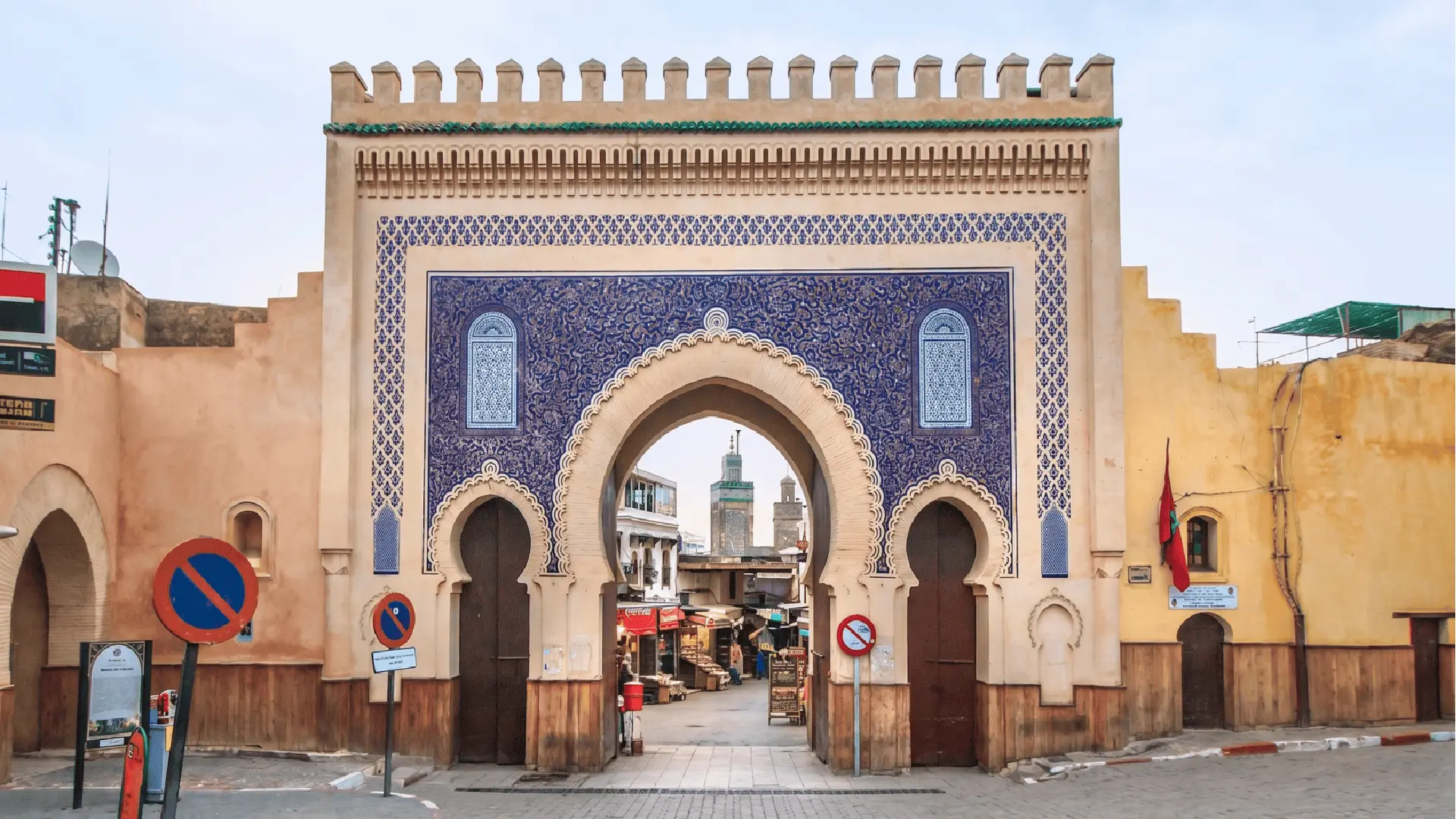
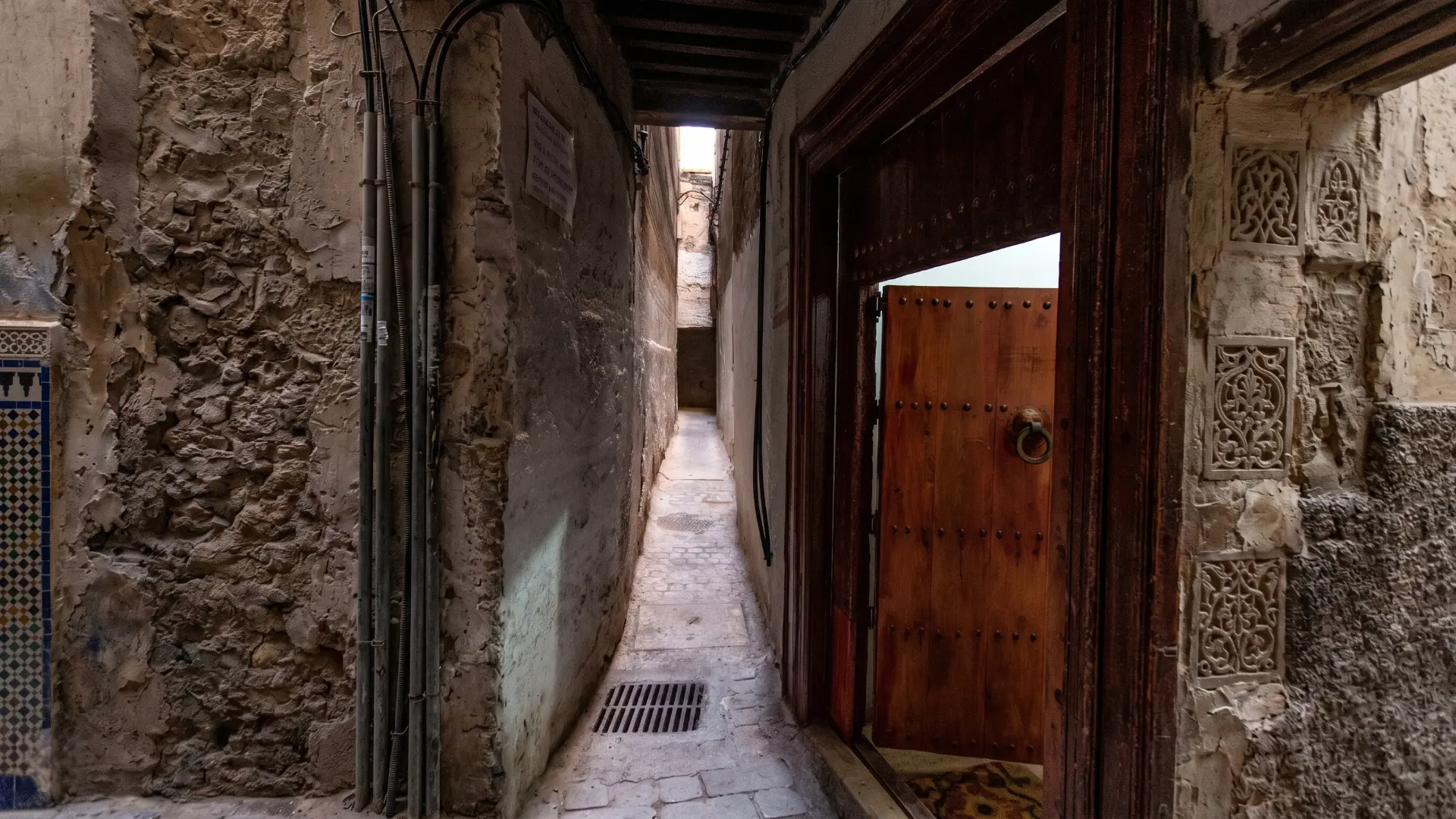
The Fez medina (Fes el-Bali) is the largest car-free urban area in the world, and stepping inside feels like traveling back in time. Surrounded by ancient stone walls and monumental gates like Bab Bou Jeloud (the Blue Gate), the medina is a labyrinth of narrow alleyways, bustling souks, and hidden courtyards.
I spent hours wandering without a map, letting the medina reveal itself:
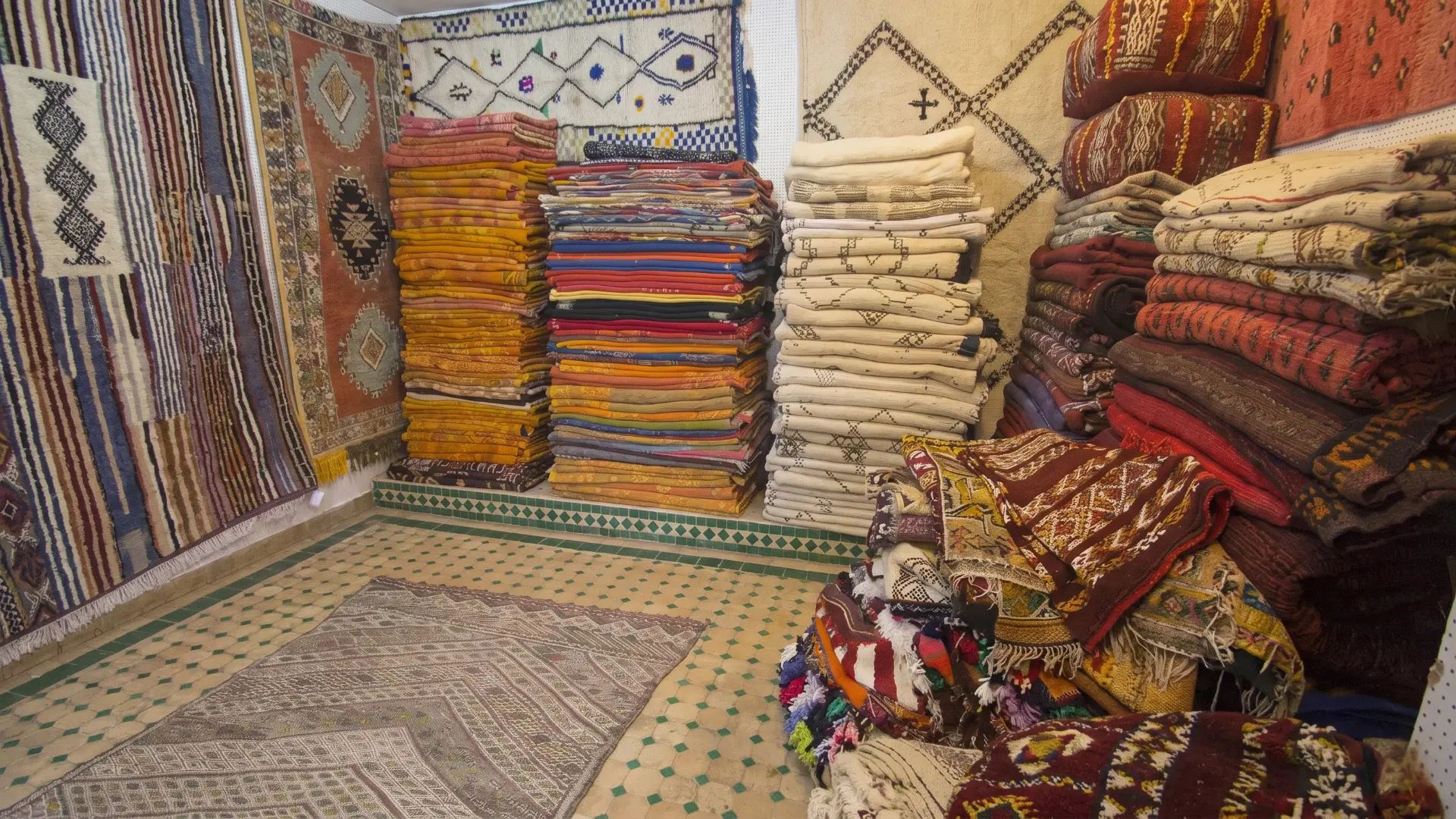
- Artisan stalls: I watched potters shape clay, weavers knot intricate carpets, and leatherworkers craft the bags and slippers Fez is famous for.
- Spice markets: The scent of cumin, saffron, and ras el hanout filled the air. I bought a small bag of spice blend for ~20 MAD ($2) as a souvenir.
- Traditional hammams: I skipped the touristy spas and found a local hammam for ~50 MAD ($5). It was an authentic, humbling experience.
Budget tip: I don’t feel pressured to buy everything I see. Window-shopping is free, and vendors respect a polite “shukran, la” (thank you, no). If I do purchase, I start negotiations at 50% of the asking price and meet somewhere in the middle.
Visiting the Famous Leather Tanneries: What I Wish I’d Known
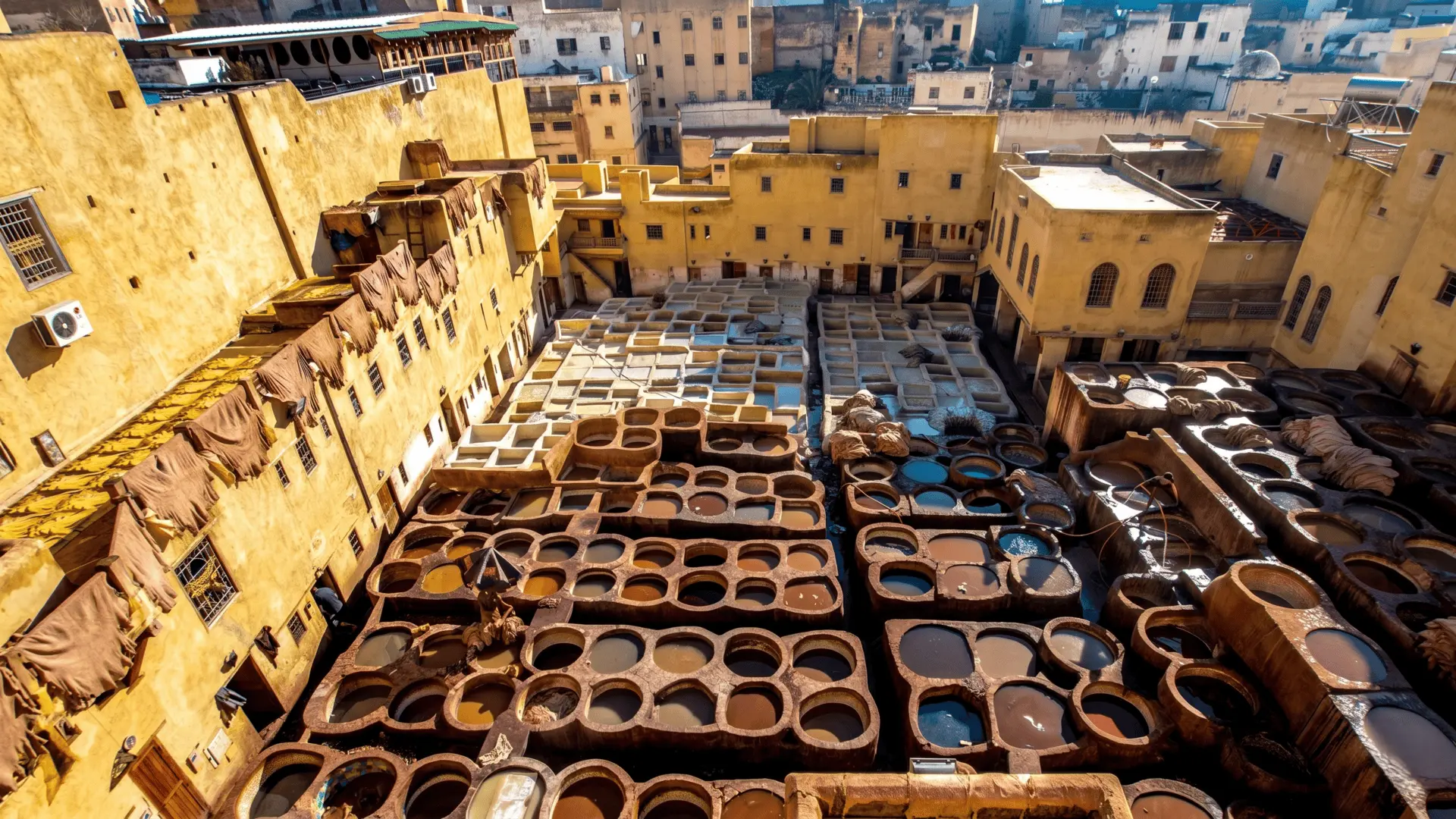
Fez’s Chouara Tannery is iconic—and unforgettable. The sight of colorful dye vats, workers moving between them, and the scent of natural dyes is unlike anything else. But visiting requires a little strategy.
How to Get the Best View:
To overlook the tannery, I entered one of the surrounding leather shops. Most offer rooftop terraces with panoramic views. The catch? They expect you to browse (or buy) their goods.
What I Did:
- I accepted the sprig of mint offered at the entrance (it helps mask the strong smell).
- I spent ~10 minutes on the terrace taking photos.
- I politely browsed the shop but didn’t feel obligated to buy. A friendly “I’m just looking today” worked every time.
- If I did want a leather souvenir, I negotiated firmly and compared prices at multiple shops.
Important note: The tannery still uses traditional, natural methods. The smell is intense—not unpleasant, just powerful. I didn’t let it deter me; it’s part of the authentic experience.
Entry cost: Free (but be prepared for gentle sales pressure).
More Budget-Friendly Things to Do in Fez
Beyond the medina and tanneries, here’s how I filled my days without overspending:
Al-Qarawiyyin Mosque & University
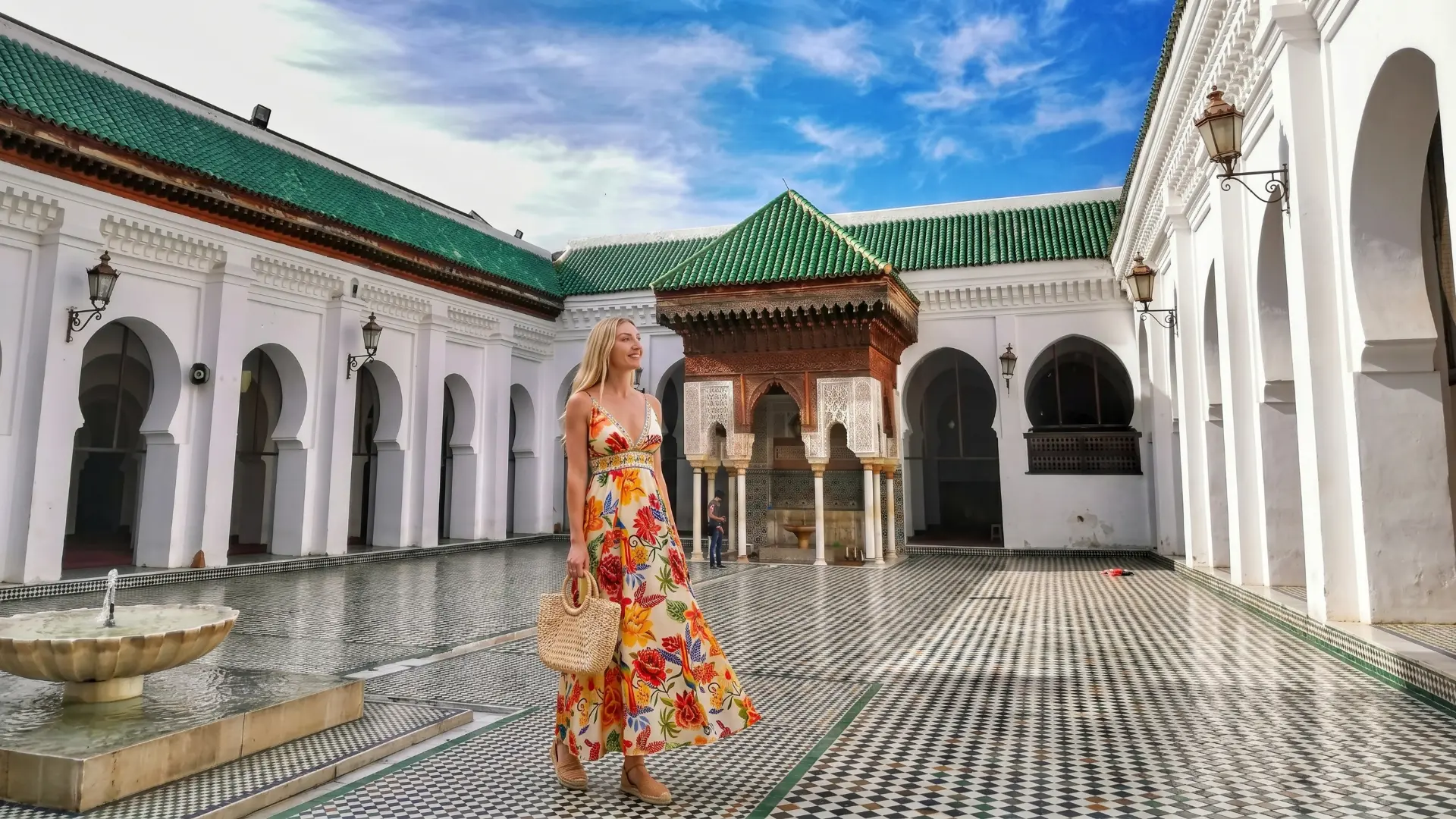
Non-Muslims can’t enter the prayer hall, but I admired the stunning exterior and green-tiled roof from the surrounding streets. The courtyard is visible from certain angles, and the history alone is worth the visit. Free to explore from outside.
Bou Inania Madrasa
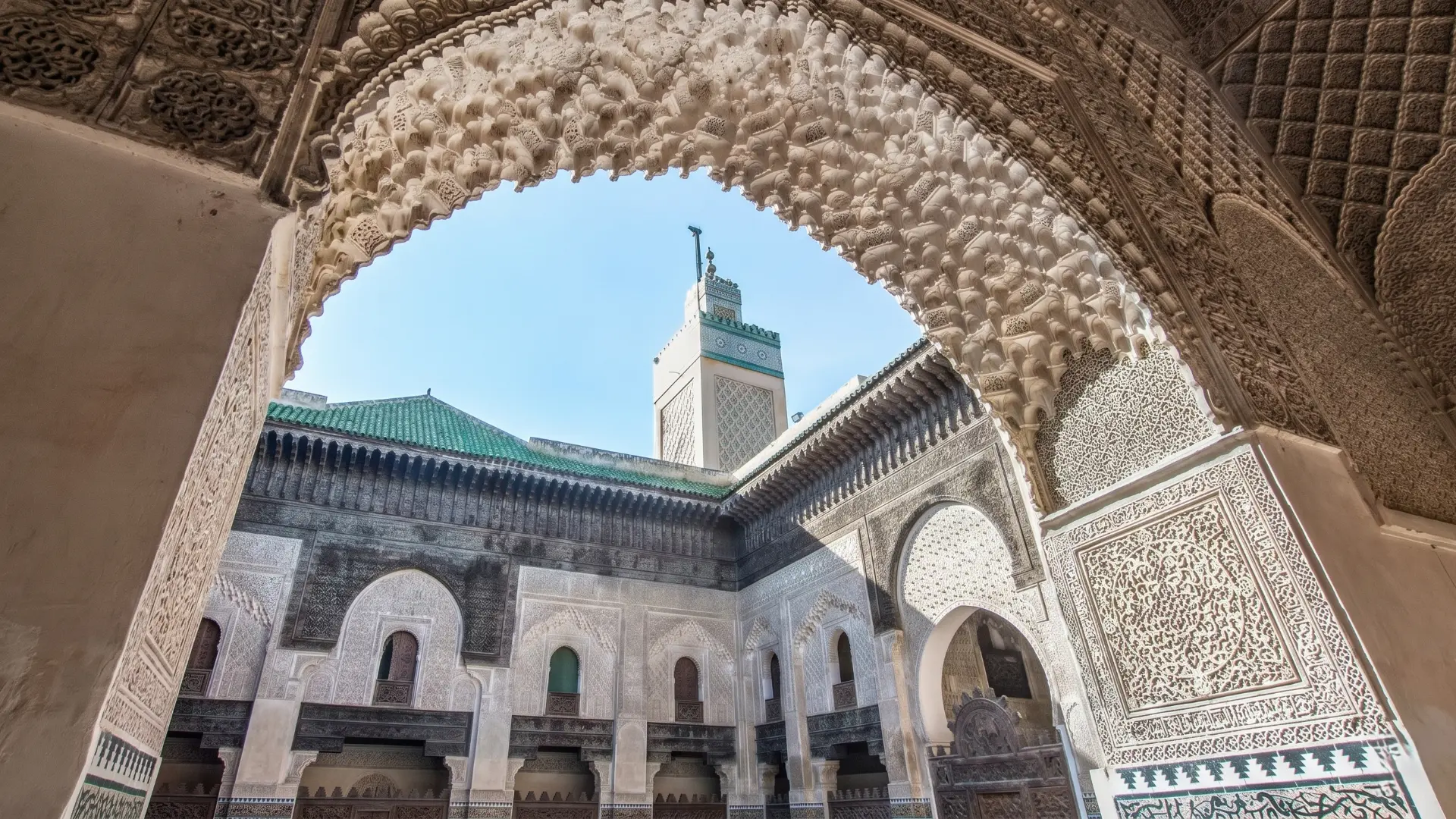
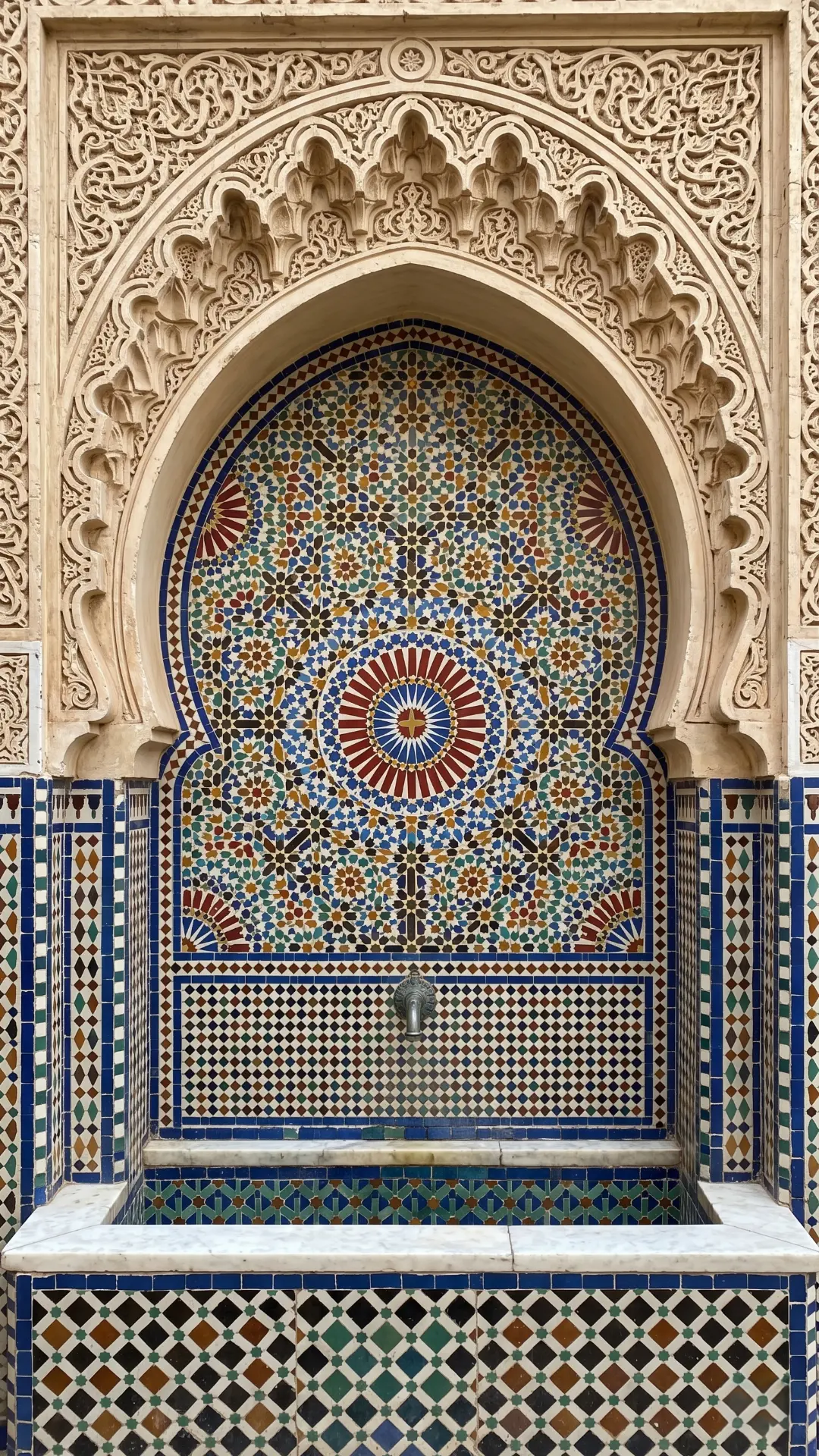
This 14th-century theological school is one of the few religious sites in Fez open to non-Muslims. The intricate zellige tilework, carved cedar ceilings, and peaceful courtyard took my breath away. Entry: ~20 MAD ($2).
Royal Palace (Dar al-Makhzen)
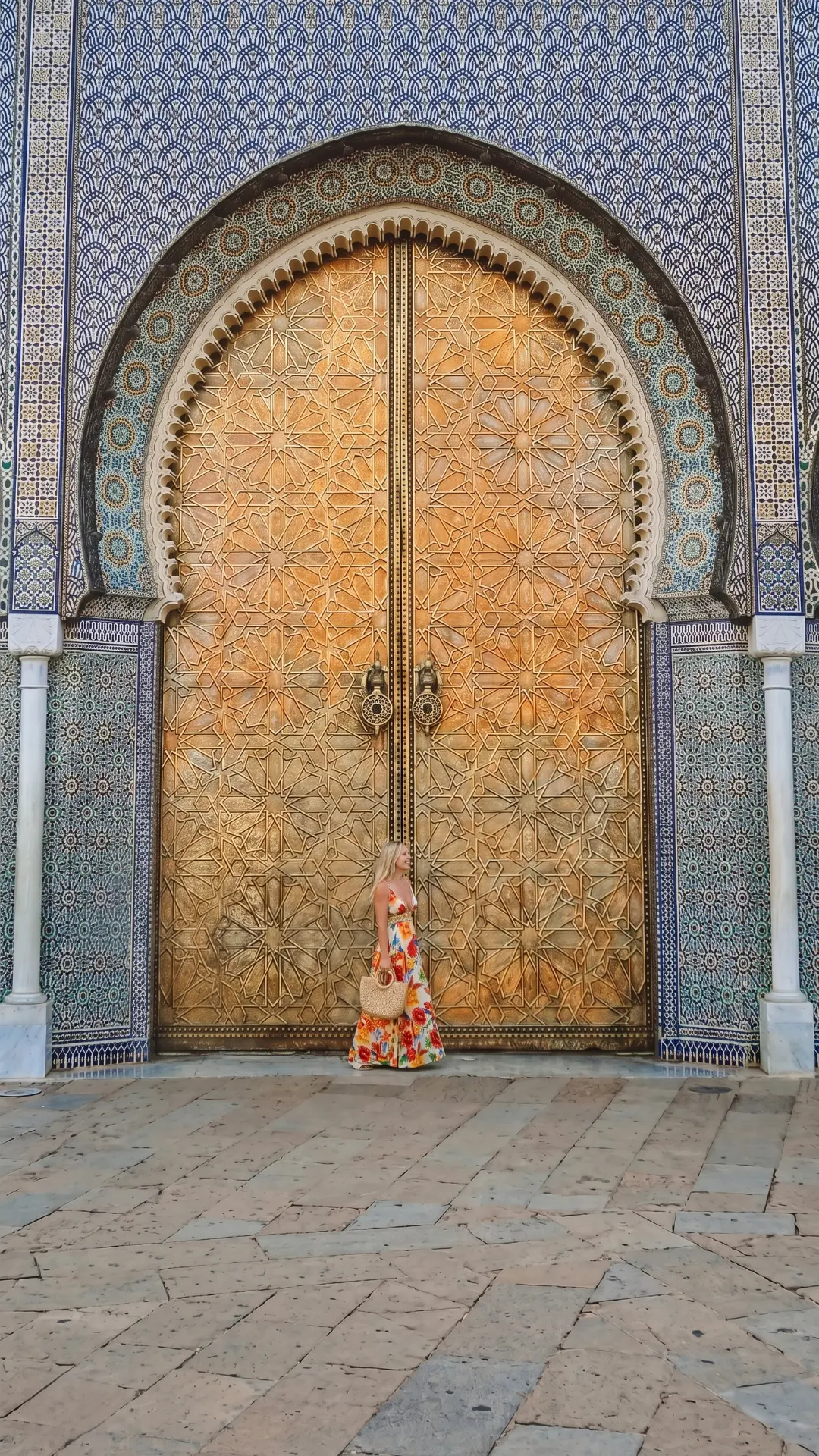
I couldn’t enter the palace itself, but the golden-bronze gates and expansive plaza are impressive. I visited at sunset when the light hits the ornate doors just right. Free to view from outside.
Borj Nord
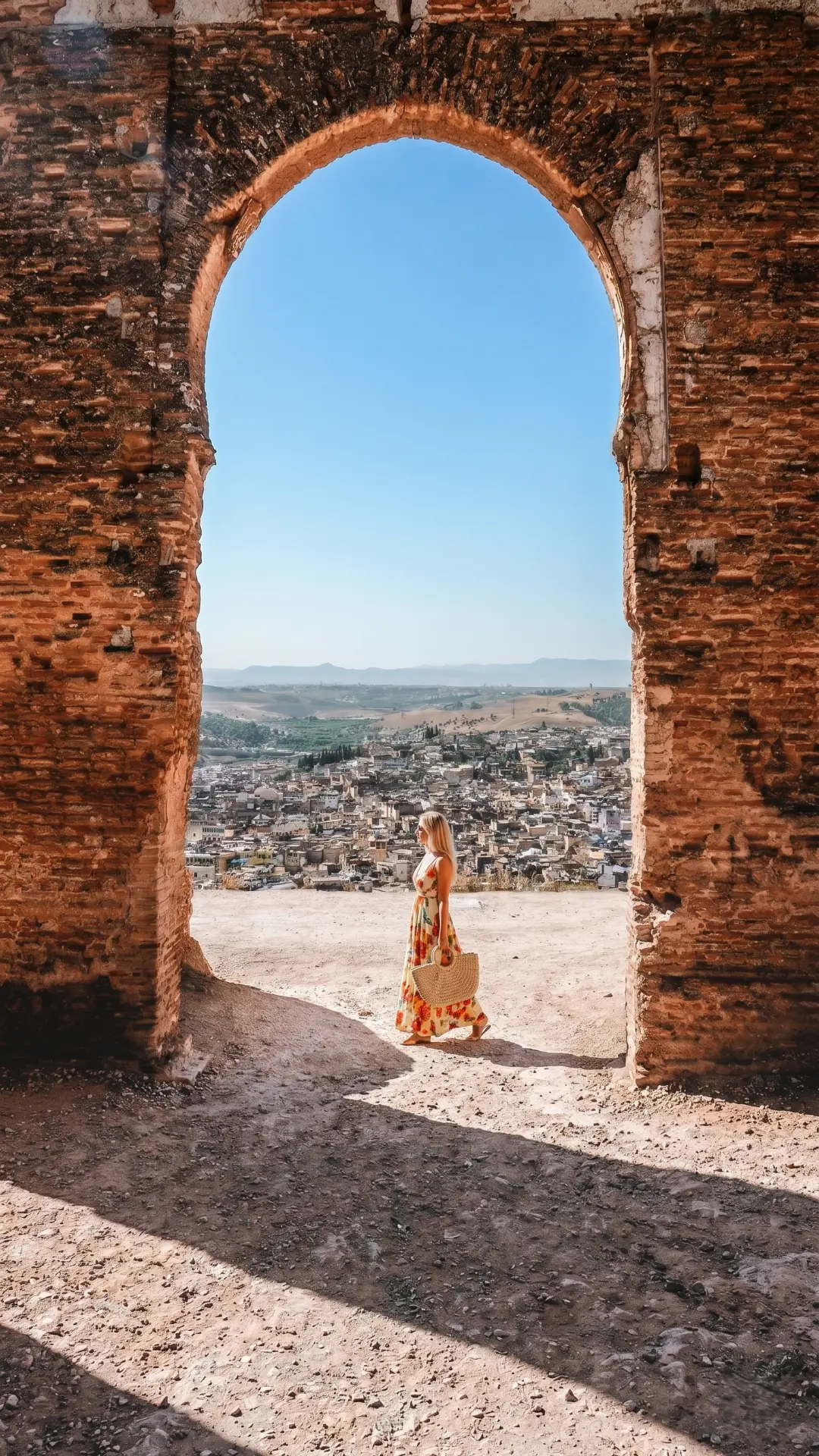
Built in the 1500s to guard the old city of Fes, Borj Nord now houses a weapons museum that opened in 2016. The collection spans multiple eras with over 5,000 artifacts. You can reach it in 15-20 minutes on foot from the Blue Gate, or pay 10-20 dirhams for a petite taxi. While it’s a popular sunset spot, I’d stick to daytime visits because of safety concerns around mugging.
Jnan Sbil Garden
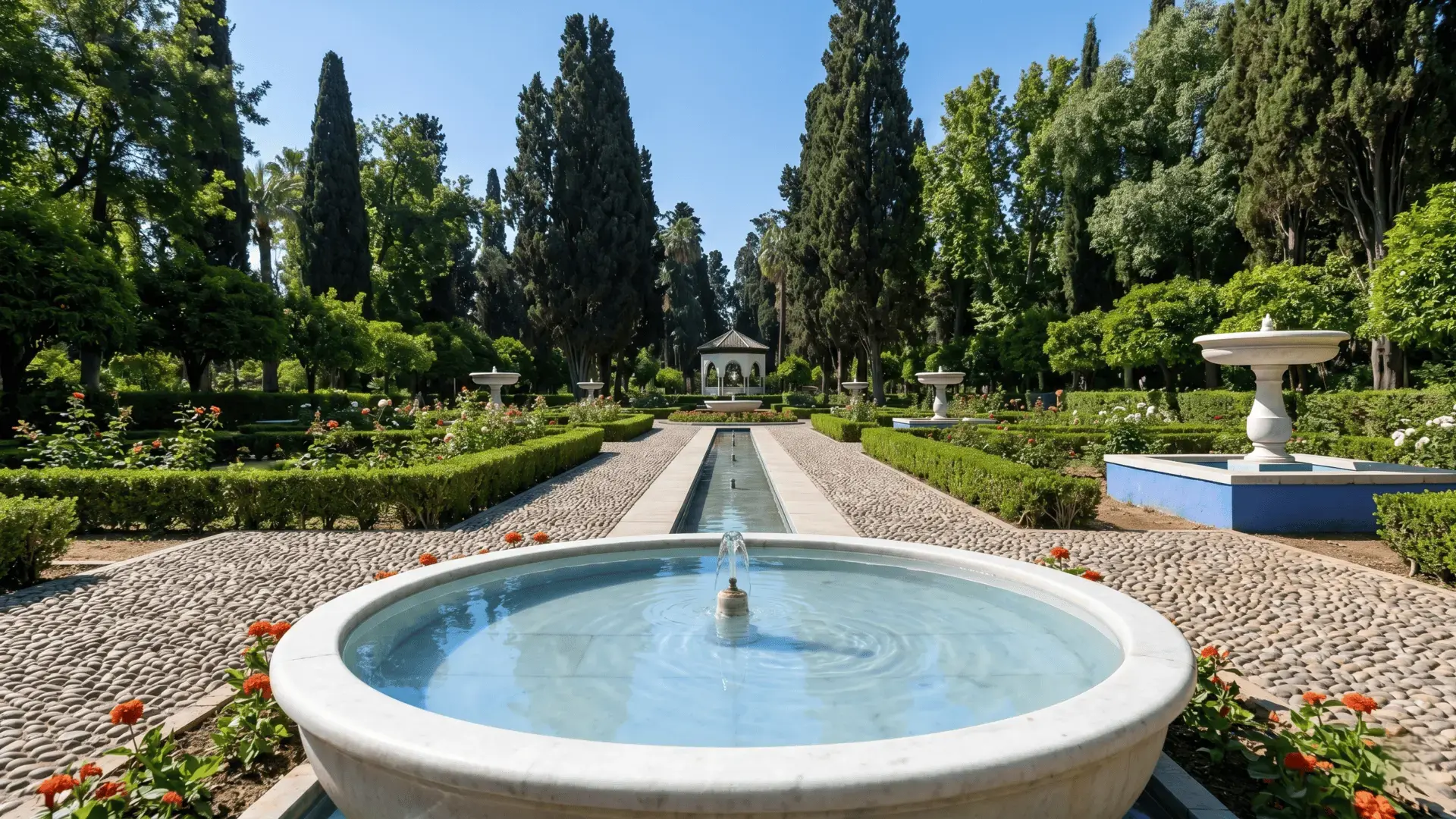
A tranquil escape from the medina’s chaos, this historic botanical garden features fountains, citrus trees, and shaded pathways. Entry: ~10 MAD ($1). Perfect for a quiet afternoon with a book.
Nejjarine Museum of Wooden Arts & Crafts
Housed in a beautifully restored fondouk (merchant inn), this small museum showcases traditional woodworking tools and crafts. The rooftop café offers great views of the medina. Entry: ~20 MAD ($2).
Dar Batha
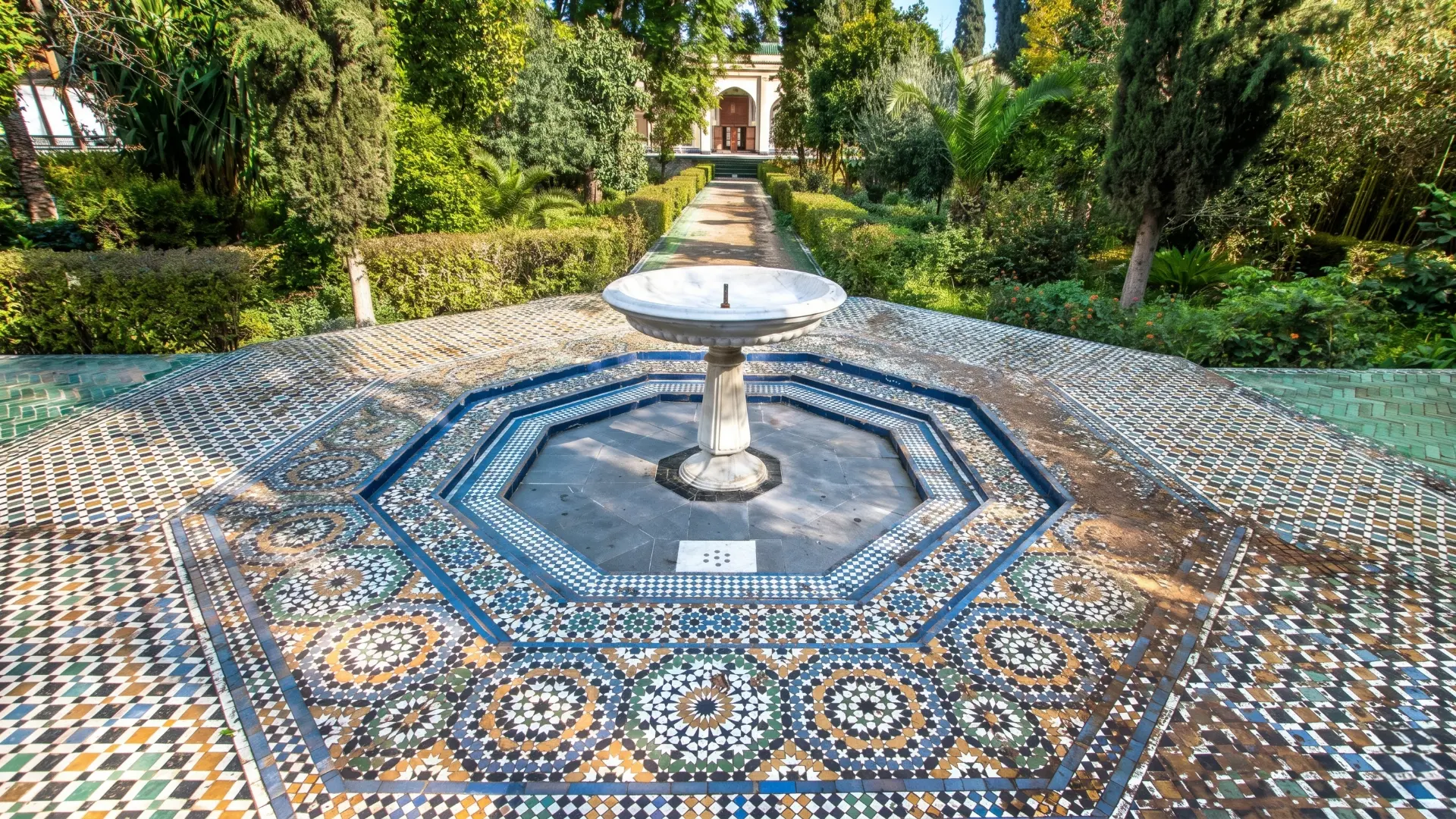
Dar Batha, a former royal palace, offers one of the easiest escapes from the bustling medina of Fes. Just a few minutes’ walk from the iconic Blue Gate (Bab Boujloud), this tranquil dar features a peaceful Andalusian-style garden, ideal for a relaxing stroll. Inside, you’ll also find two excellent museums showcasing traditional Moroccan crafts and artistry. I often find myself returning here multiple times while wandering the winding streets of Fes.
Where I Stayed in Fez (Budget-Friendly Riads)
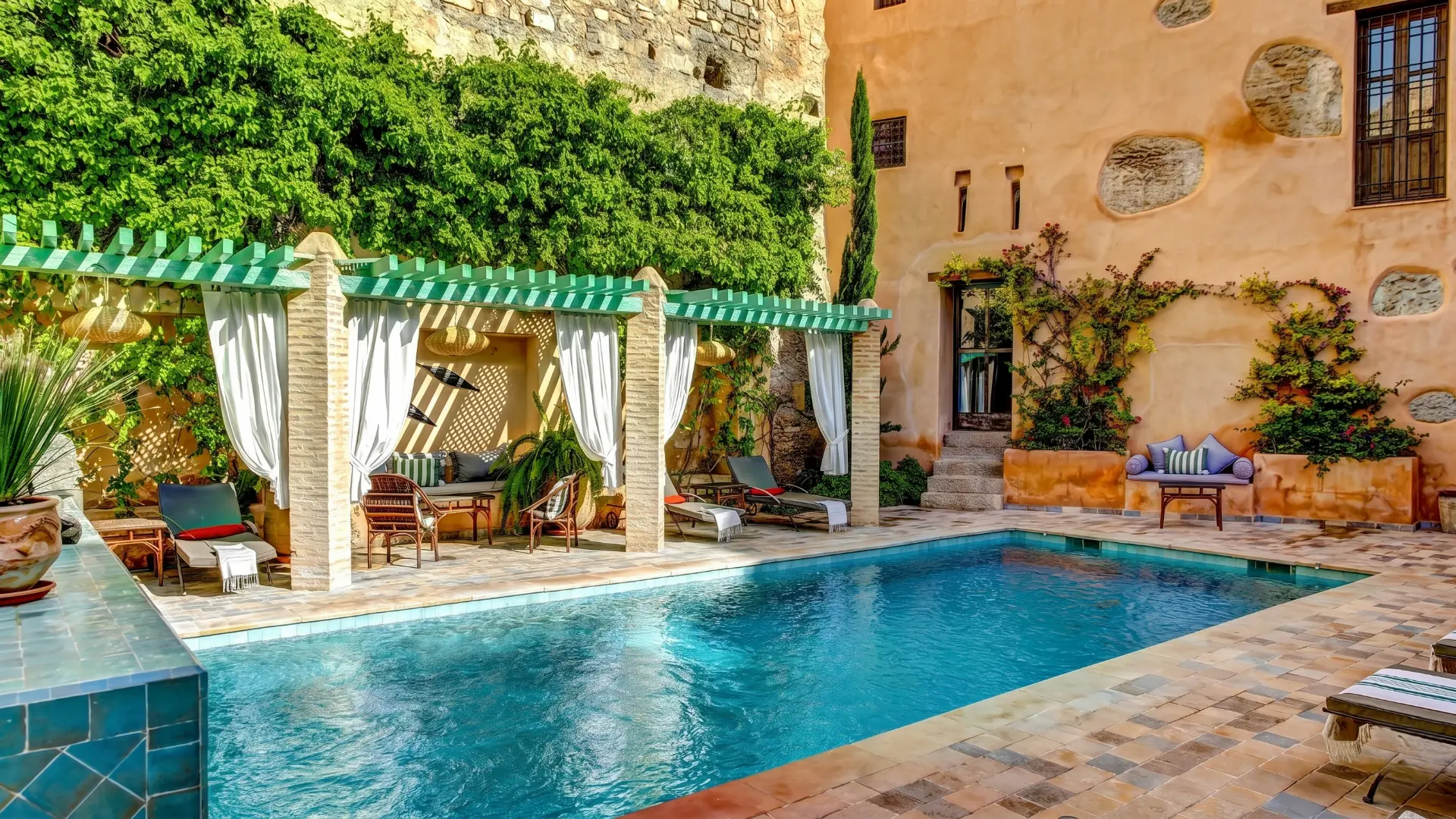
I always stay in a riad—a traditional Moroccan guesthouse with an interior courtyard. They’re affordable, atmospheric, and often include breakfast.
My Pick: Riad Laaroussa (~$40/night)
Located just inside the medina walls, this charming riad offered a peaceful courtyard, traditional decor, and a delicious homemade breakfast. The staff helped me navigate the medina and arranged a local guide for half a day (~150 MAD/$15), which was worth every dirham.
Other Budget Options I Researched:
- Riad Fes Maya Suite & Spa: ~$35–45/night, rooftop terrace, central location
- Dar Roumana: Slightly pricier (~$60/night) but exceptional hospitality and authentic ambiance
- Hostel Fez: Dorm beds from ~$12/night, social atmosphere, great for solo travelers
Booking tip: I use Booking.com with “free cancellation” filters and message riads directly via WhatsApp for potential discounts during shoulder season.
Where I Ate in Fez (Delicious & Affordable)
Fez is a food lover’s paradise, and eating well doesn’t require a big budget.
Street Food & Local Spots:
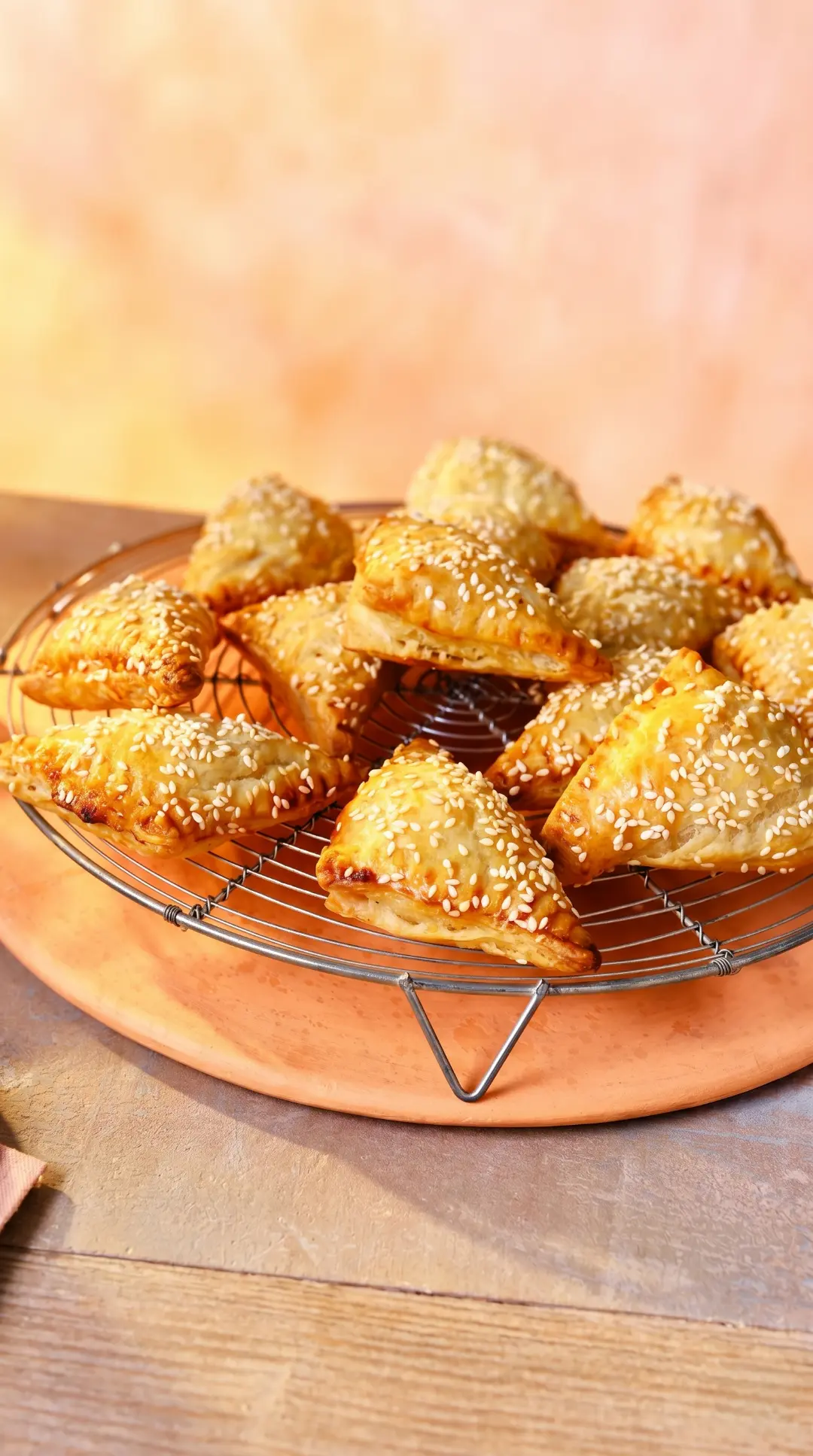
- Bourekas: Flaky pastries filled with spinach, cheese, or meat (~3–5 MAD each)
- Msemen: Pan-fried flatbread with honey or jam (~5–8 MAD)
- Fresh orange juice: Squeezed to order at medina stalls (~5–8 MAD)
Sit-Down Meals:
- Café Clock: A cultural hub serving creative Moroccan dishes in a relaxed setting. I loved the camel burger (yes, really!) and the evening storytelling sessions. Mains: ~40–70 MAD ($4–$7).
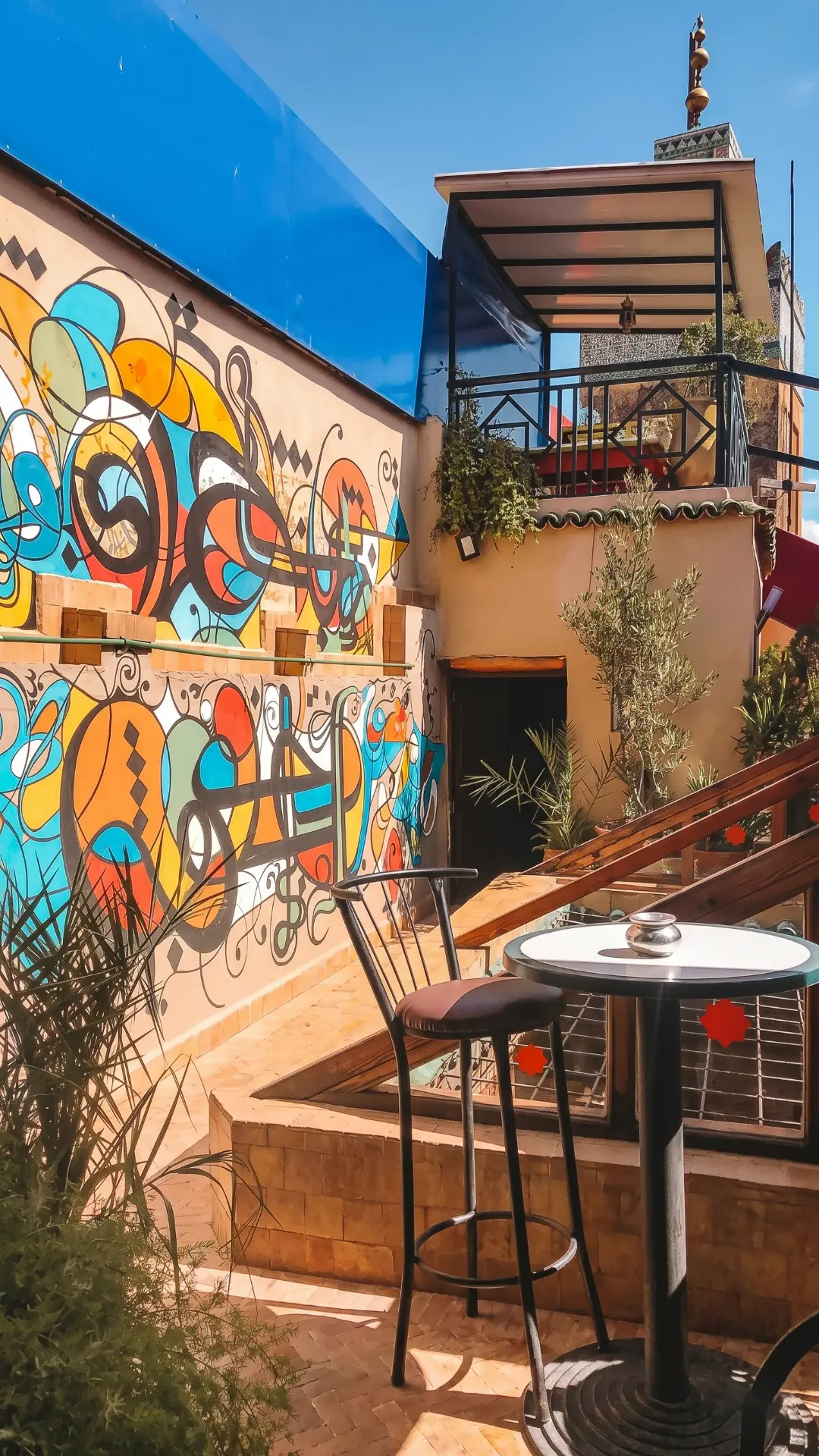
- Restaurant Numero 7: Hidden in a quiet alley, this spot offers authentic tagines and couscous in a charming courtyard. Mains: ~50–90 MAD ($5–$9).
- The Ruined Garden: A beautiful rooftop restaurant with Mediterranean-Moroccan fusion. Slightly pricier but worth it for a special dinner. Mains: ~80–120 MAD ($8–$12).
My budget eating rule: I eat my main meal at lunch when many restaurants offer menú del día (fixed-price lunch) for 40–70 MAD, including bread, a main dish, and sometimes dessert or tea. I keep dinners light with street food or small plates.
Essential Fez Travel Tips I Learned the Hard Way
After my visit, these are the lessons I wish I’d known beforehand:
- Hire a local guide for your first medina walk: The Fez medina has over 9,000 alleyways. A licensed guide (~150–200 MAD for 2–3 hours) saved me hours of confusion and introduced me to hidden gems I’d never have found alone.
- Wear comfortable, closed-toe shoes: The medina streets are uneven, sometimes slippery, and occasionally muddy. I wore broken-in sneakers and was grateful for it.
- Carry small bills: Many medina vendors, cafés, and guides prefer cash under 50 MAD. I break larger notes at ATMs attached to reputable banks (avoid Euronet).
- Respect photography etiquette: I always ask before photographing people, especially in the tanneries or souks. A smile and “Photo, s’il vous plaît?” goes a long way.
- Stay hydrated: Fez can get hot, especially in summer. I carried a reusable water bottle and refilled it at my riad or public fountains.
- Learn a few Darija phrases: “Shukran” (thank you), “Salam alaikum” (hello), and “Bshhal?” (how much?) opened doors and earned warm smiles.
Final Thoughts
Fez doesn’t just show me Morocco—it immerses me in it. It’s in the call to prayer echoing over terracotta rooftops, the intricate patterns of a hand-carved cedar door, the warmth of a riad host who remembers my name, and the quiet satisfaction of navigating a 1,200-year-old medina without getting lost (too often).
I came to Fez on a budget and left with memories no price tag could measure. This city rewards curiosity, patience, and respect. If you’re planning a trip to Morocco, I urge you to give Fez more than a day. Stay a few nights, wander without a rigid itinerary, and let this ancient city reveal itself at its own pace.
Have I mapped out my Fez itinerary yet, or am I still gathering courage for this imperial adventure? Drop your questions below—I’m always happy to share exact riad recommendations, my favorite medina alleys, or how I negotiated the best price for a leather souvenir. Save this guide, share it with your travel companion, and pack your sense of wonder. I’ll see you in the labyrinth.