I’ve always been fascinated by places that don’t quite fit the map. Exclaves, border towns, geographic oddities—the spots where history, politics, and culture collide in unexpected ways. That’s exactly why I couldn’t visit Melilla without also heading to Ceuta. Both are Spanish autonomous cities nestled on the North African coast, both share a border with Morocco, and both feel like secrets whispered between continents.
I arrived in Ceuta with modest expectations and a tight budget. I left with a camera roll full of golden-hour fortress shots, a notebook of local food recommendations, and a quiet promise to return. If you’re curious about this unique slice of Spain-in-Africa but worried about costs or logistics, I’m sharing exactly how I explored Ceuta without overspending—and why I think it deserves a spot on your itinerary.
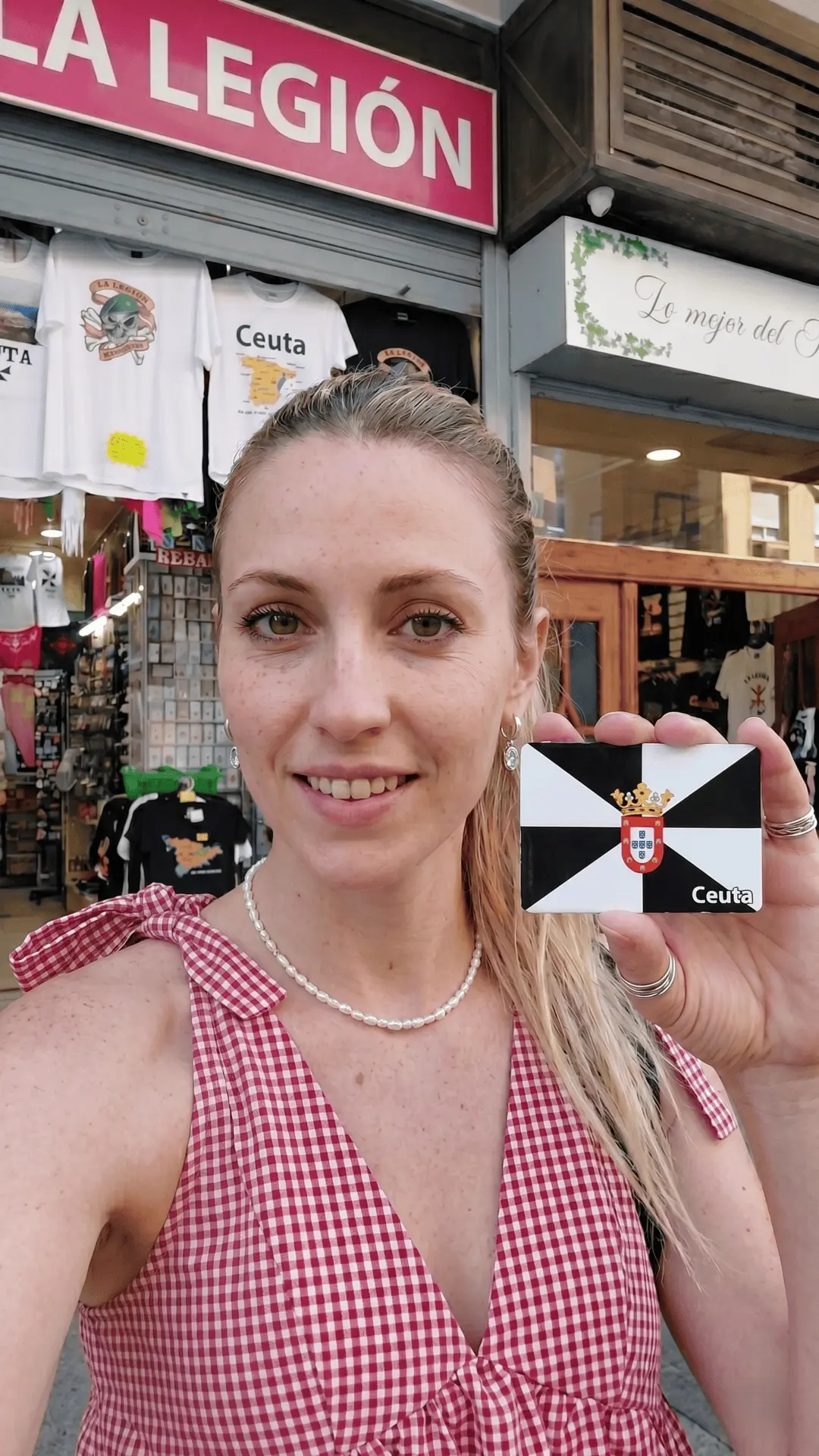
What Is Ceuta, Anyway? (And Why Should I Visit?)
Ceuta is one of two Spanish autonomous cities located on the northern coast of Africa—the other being Melilla. Since 1995, it’s held the same political status as Spain’s mainland regions, yet Morocco officially claims it as part of its territory. The result? A fascinating cultural blend: Spanish language and currency, Moroccan flavors and rhythms, Mediterranean light, and Atlantic breezes.
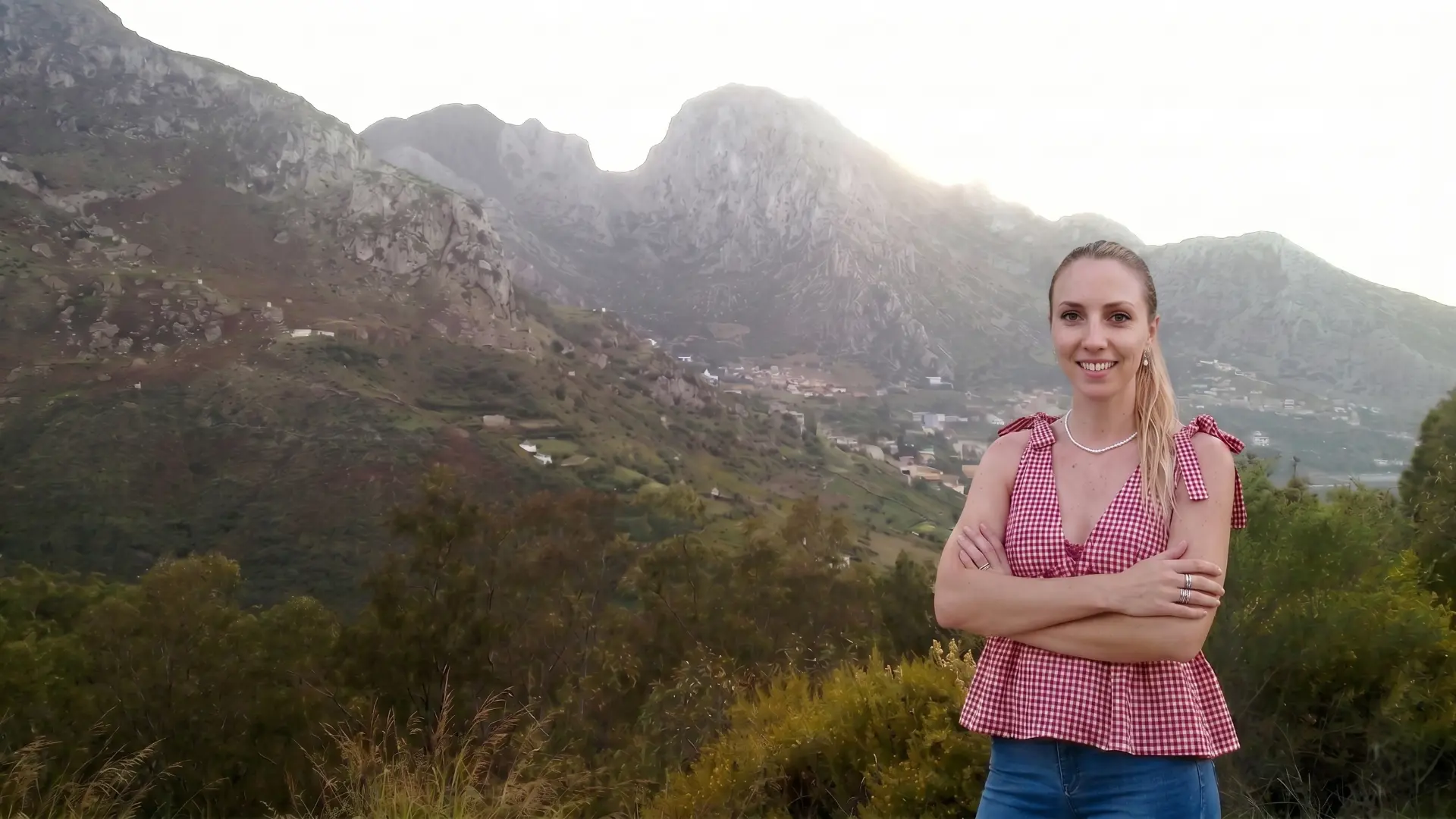
I loved how compact Ceuta feels. You can walk from a 16th-century fortress to a modernist café in ten minutes. You can eat churros for breakfast and tagine for lunch without crossing a border. And you can do it all on a budget that would make mainland Spain blush.
How I Got to Ceuta from Spain (The Budget-Friendly Way)
Since Ceuta has no commercial airport, getting here requires a little planning—but it’s easier (and cheaper) than I expected.
By Ferry from Algeciras (My Choice):
I based myself in Algeciras for three nights and took the ferry to Ceuta as a day trip. Here’s why I loved this option:
- Departure: Port of Algeciras, Andalusia (~1 hour sailing time)
- Operators: Baleària, Naviera Armas, FRS Iberia
- Frequency: 15–20 daily departures, first boat ~7 AM, last ~11 PM
- Cost: €25–35 one-way for foot passengers (vehicle transport costs significantly more)
- Booking: I used Direct Ferries and Ferryhopper to compare prices and lock in the best rate
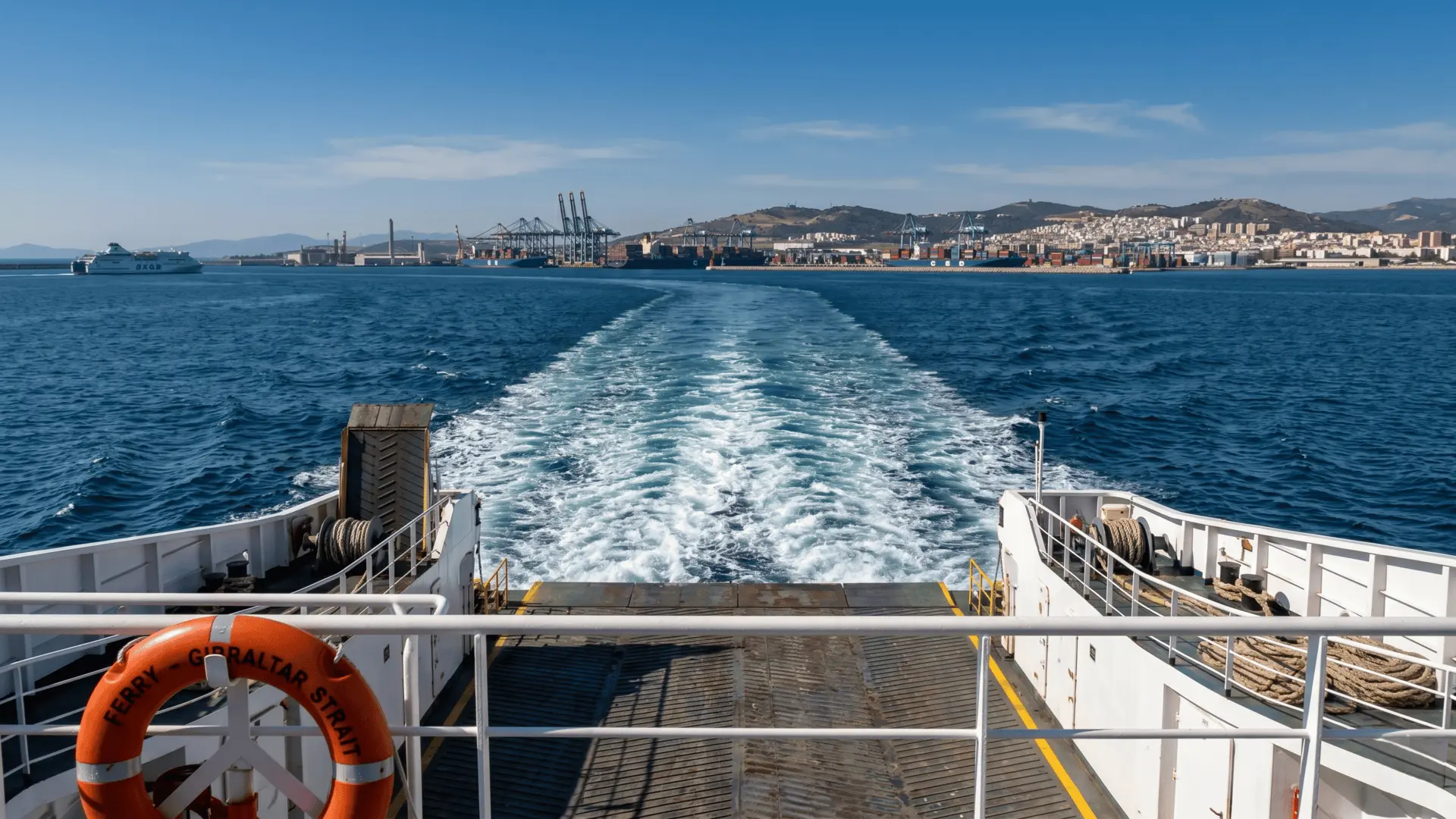
Pro tip: I booked an early morning ferry and a late evening return. That gave me a full day in Ceuta without paying for overnight accommodation.
By Helicopter (Fastest, Priciest):
If time is tight and budget is flexible, Helity Copter Airlines flies from Algeciras to Ceuta in just 10 minutes (~€90 one-way). I didn’t choose this option, but it’s worth noting for travelers with tight schedules.
Overland via Morocco (For the Adventurous):
If you’re already exploring northern Morocco, you can enter Ceuta via the land border at Fnideq. I took a shared “grand taxi” from Tangier to the border (~30–40 MAD), then walked the final 2km to the Ceuta checkpoint. Important: You must cross on foot, and border procedures can take time. I always carry my passport, check current entry requirements, and allow extra buffer time.
Is a Day Trip to Ceuta Enough? (My Honest Take)
Yes—and no.
If you’re short on time or budget, a well-planned day trip from Algeciras absolutely works. I arrived on the 8 AM ferry, explored the Royal Walls, wandered the medina-style streets, grabbed lunch at a local tapas bar, visited the Maritime Park, and caught the sunset from Monte Hacho before returning on the 8 PM ferry. It was full, but fulfilling.
But if you can, I’d spend at least one night. Ceuta’s evenings have a quiet magic: the fortress walls glow in golden light, the plazas empty of day-trippers, and the sea breeze carries the scent of orange blossoms. I stayed one night at Hostal Gutiérrez (~$50) and woke up to a city that felt entirely mine. For budget travelers, that single night transformed a checklist visit into a memorable experience.
My Top 10 Things to Do in Ceuta (Mostly Free or Very Cheap)
I built my itinerary around sights that deliver maximum impact for minimal cost. Here’s what I prioritized:
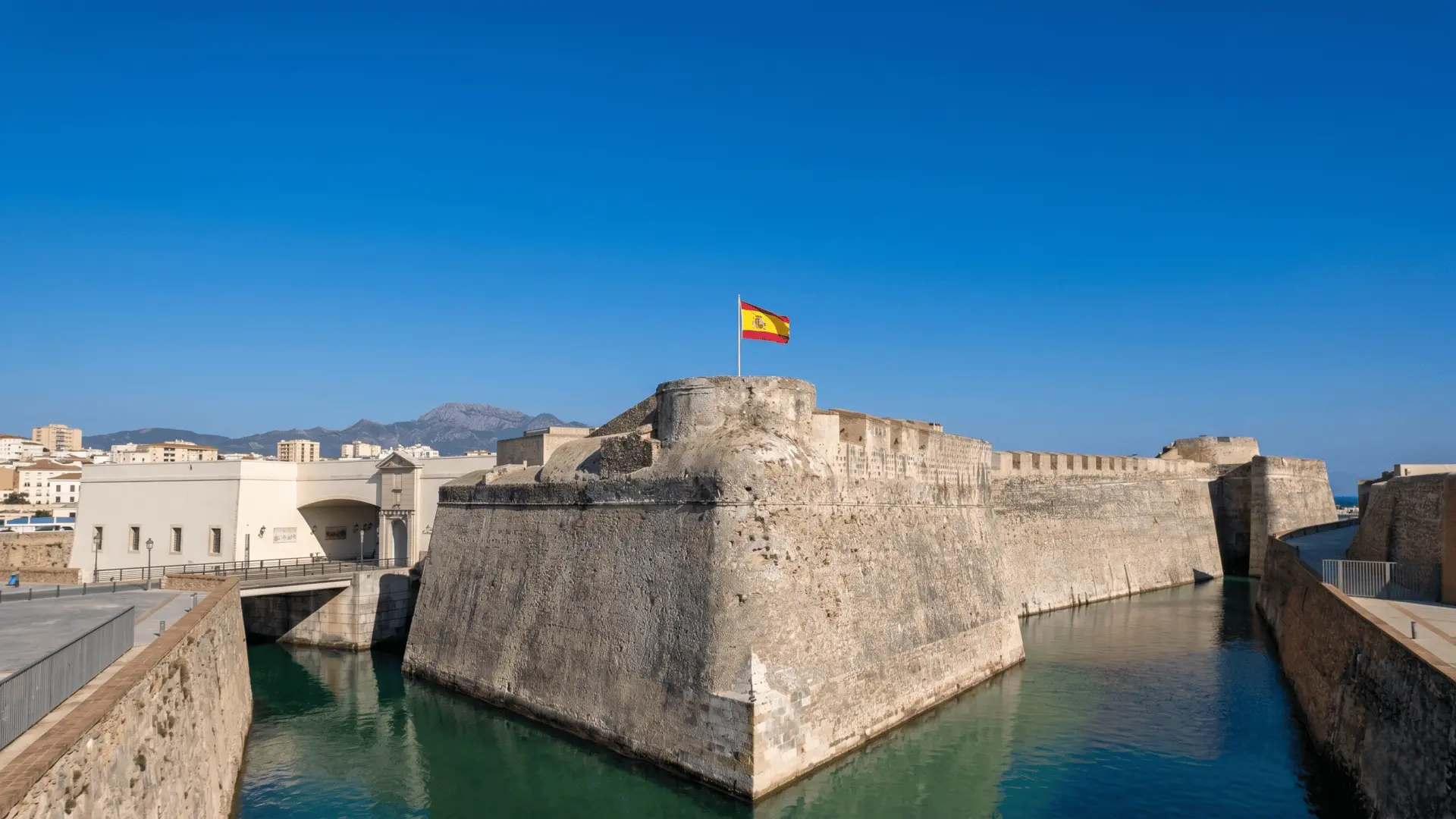
The Royal Walls (Murallas Reales)
I started my Ceuta exploration here, and I’m so glad I did. These fortifications date back to Byzantine times but were expanded during the Portuguese conquest. The San Felipe Moat—one of the world’s few navigable moats—took my breath away. I walked the ramparts at sunset, and the views over the Strait of Gibraltar were unforgettable. Entry is modest (~€3–5), and I spent about 90 minutes wandering the complex.
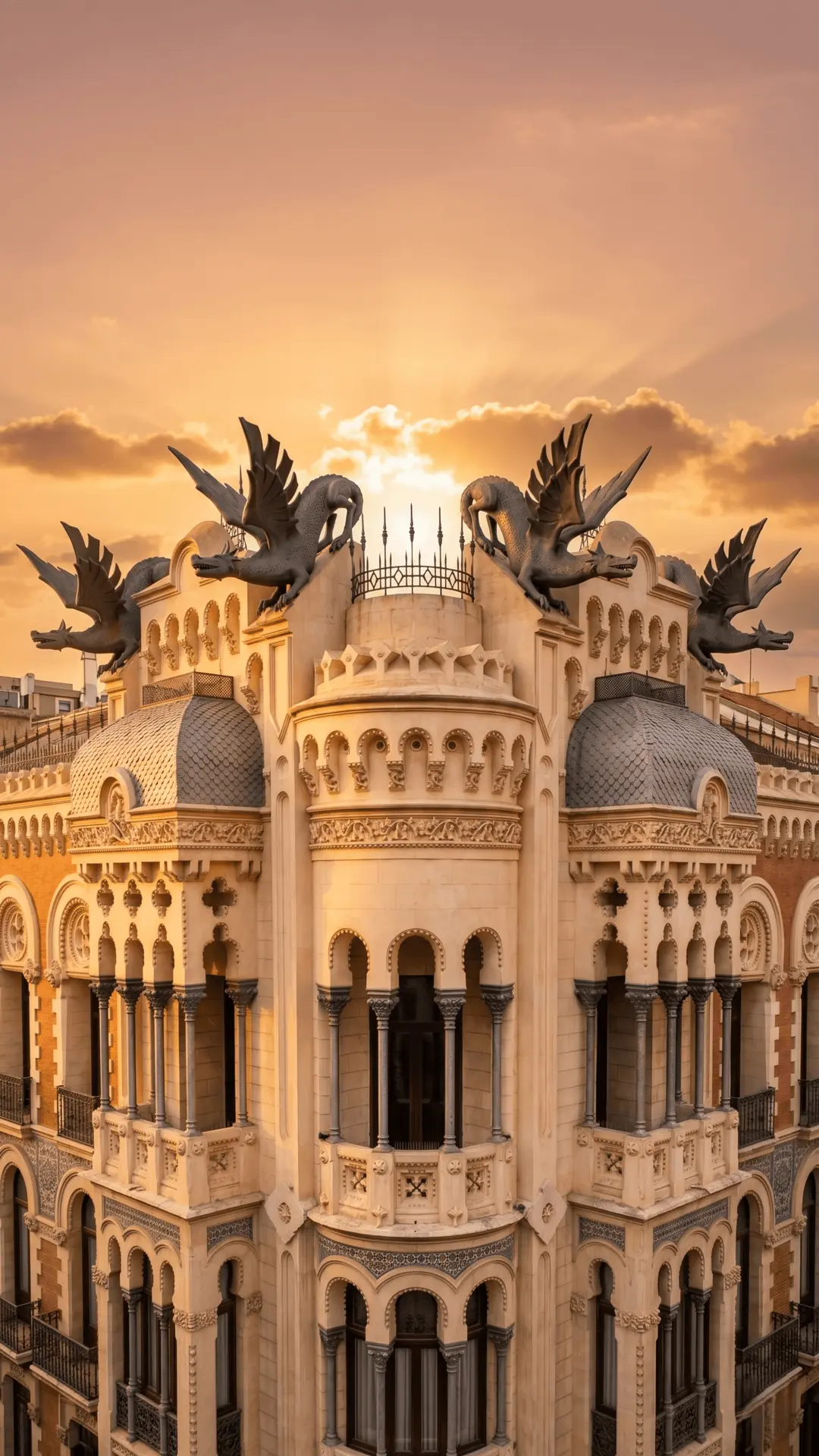
House of Dragons (Casa de los Dragones)
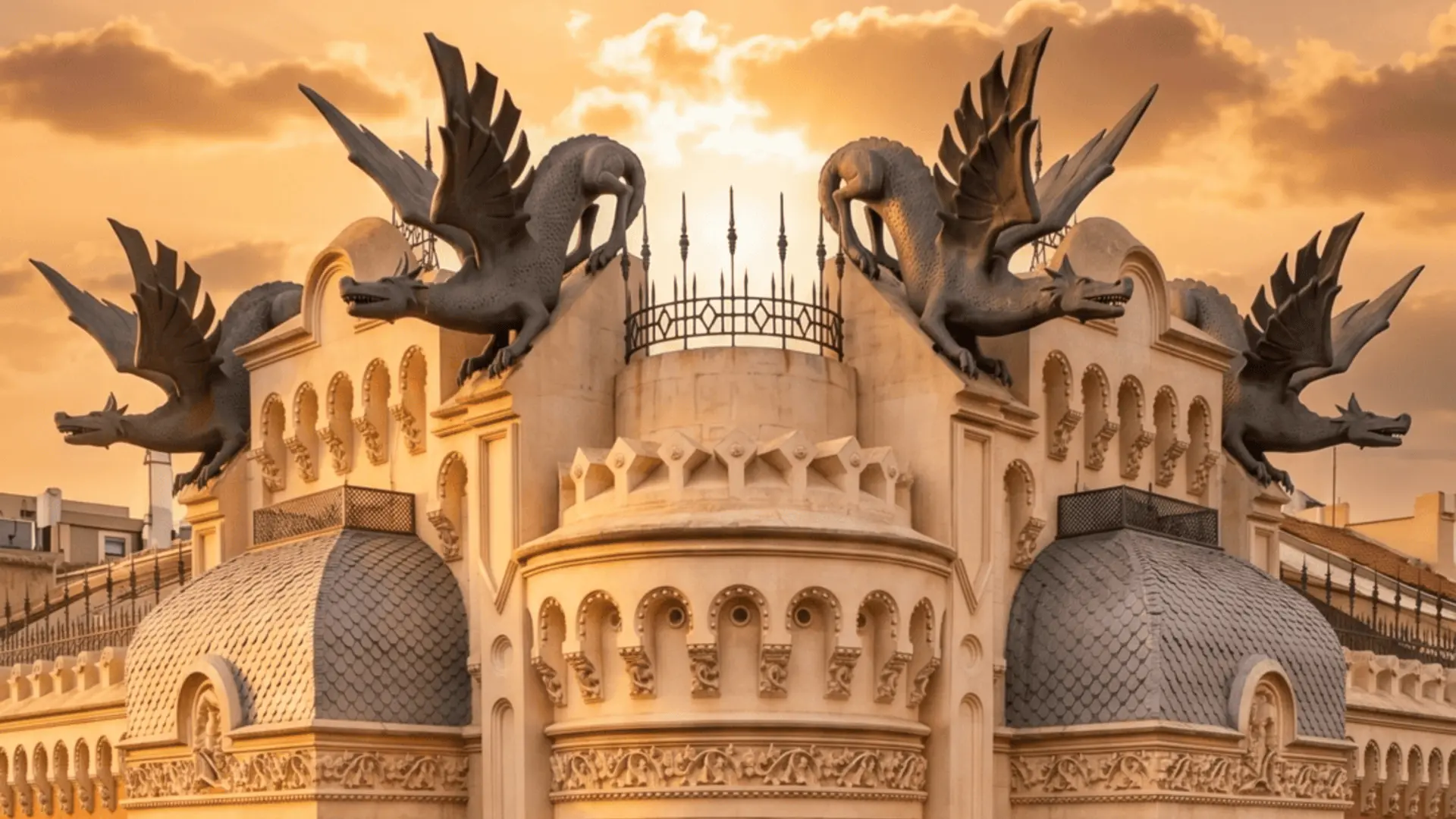
Right in the heart of Plaza de los Reyes, this modernist masterpiece stopped me in my tracks. The intricate ironwork, colorful tiles, and dragon motifs feel like stepping into a storybook. Best part? It’s free to admire from the outside. I snapped photos in the soft morning light and lingered at a nearby café to sketch the façade in my journal.
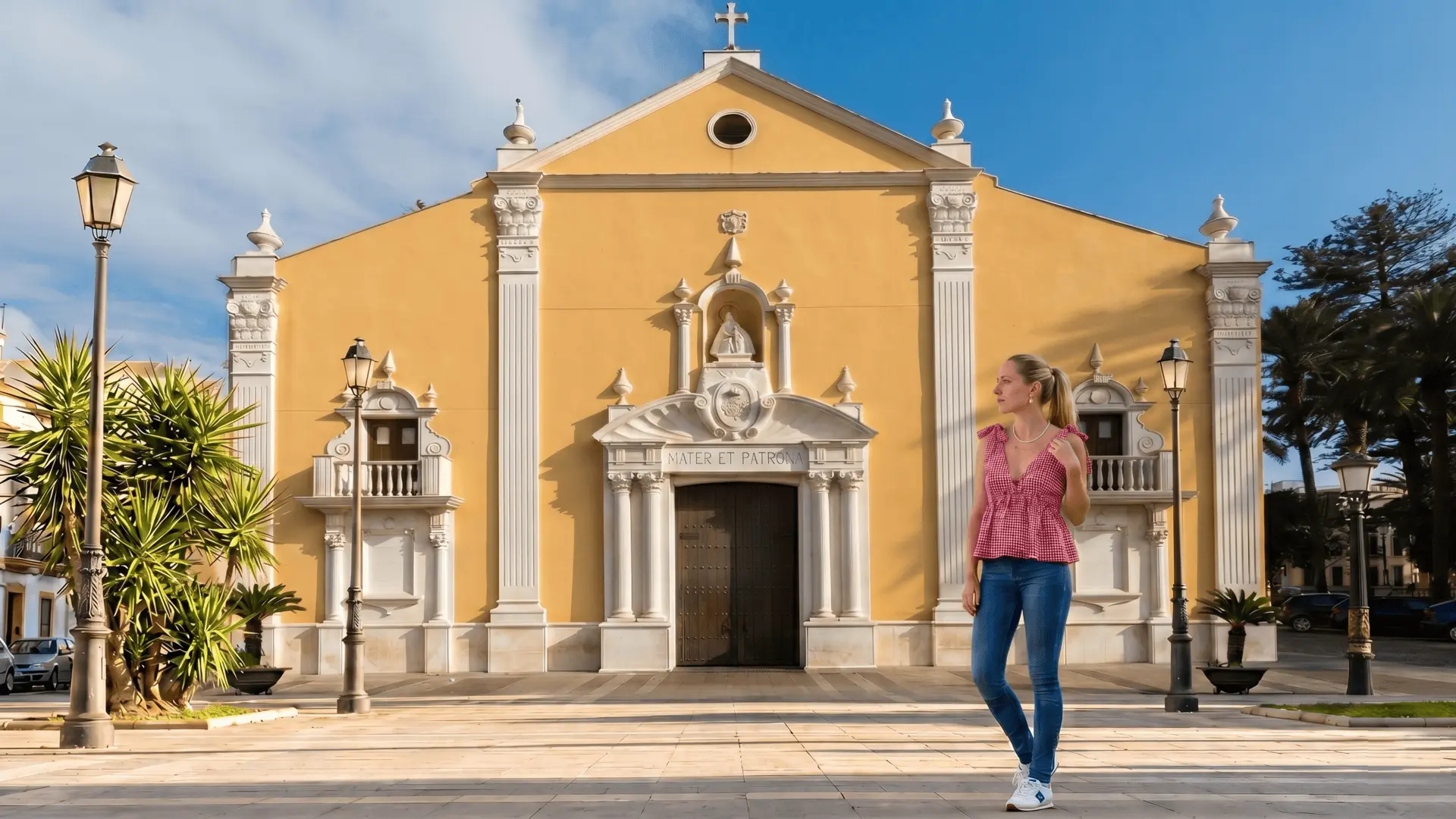
Plaza de África & Santa María de África Church
This bustling square is Ceuta’s living room. I spent an afternoon people-watching, listening to street musicians, and admiring the neoclassical Church of Santa María de África. The plaza is free to explore, and I always find a bench with a view of daily life unfolding.
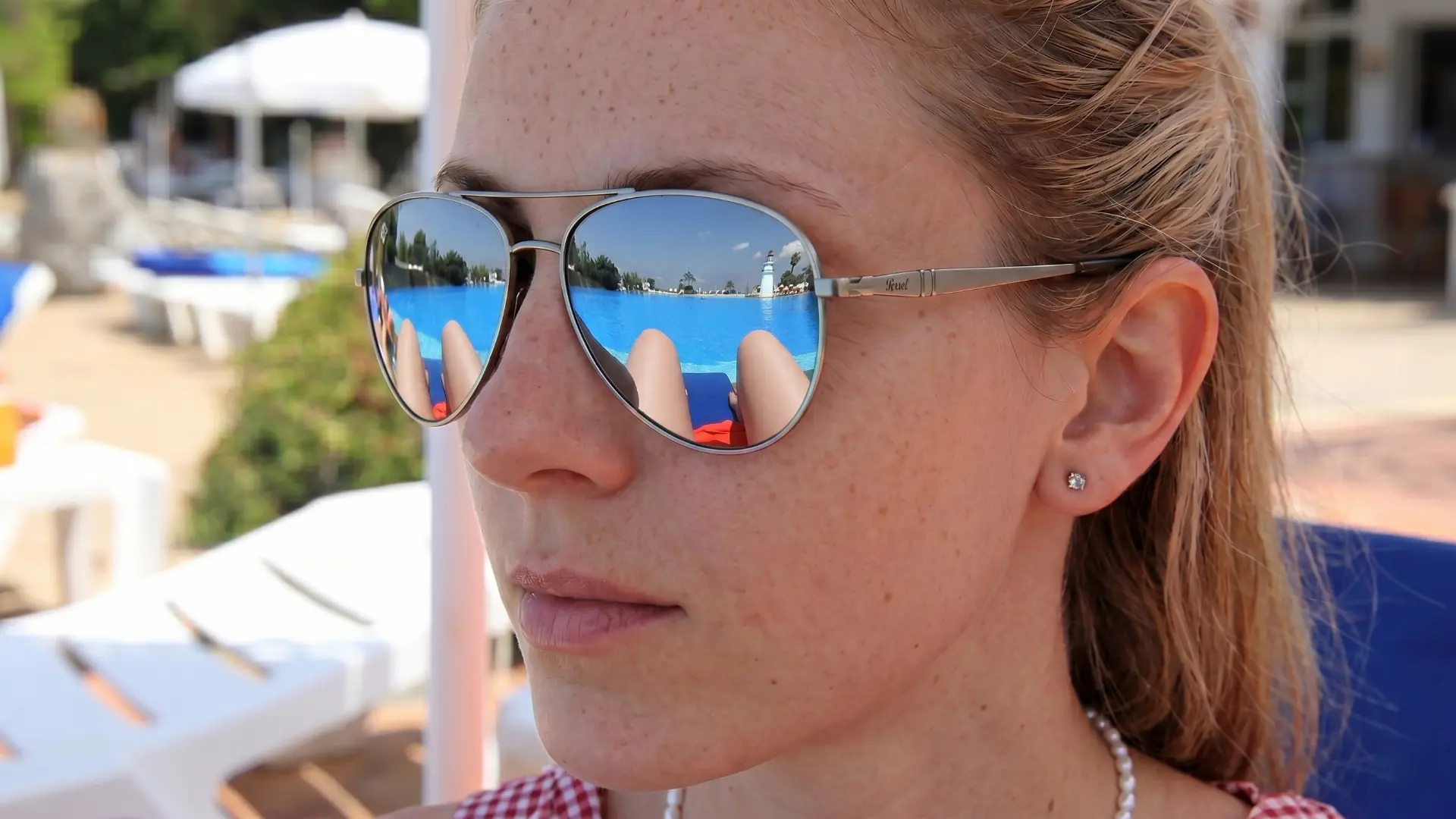
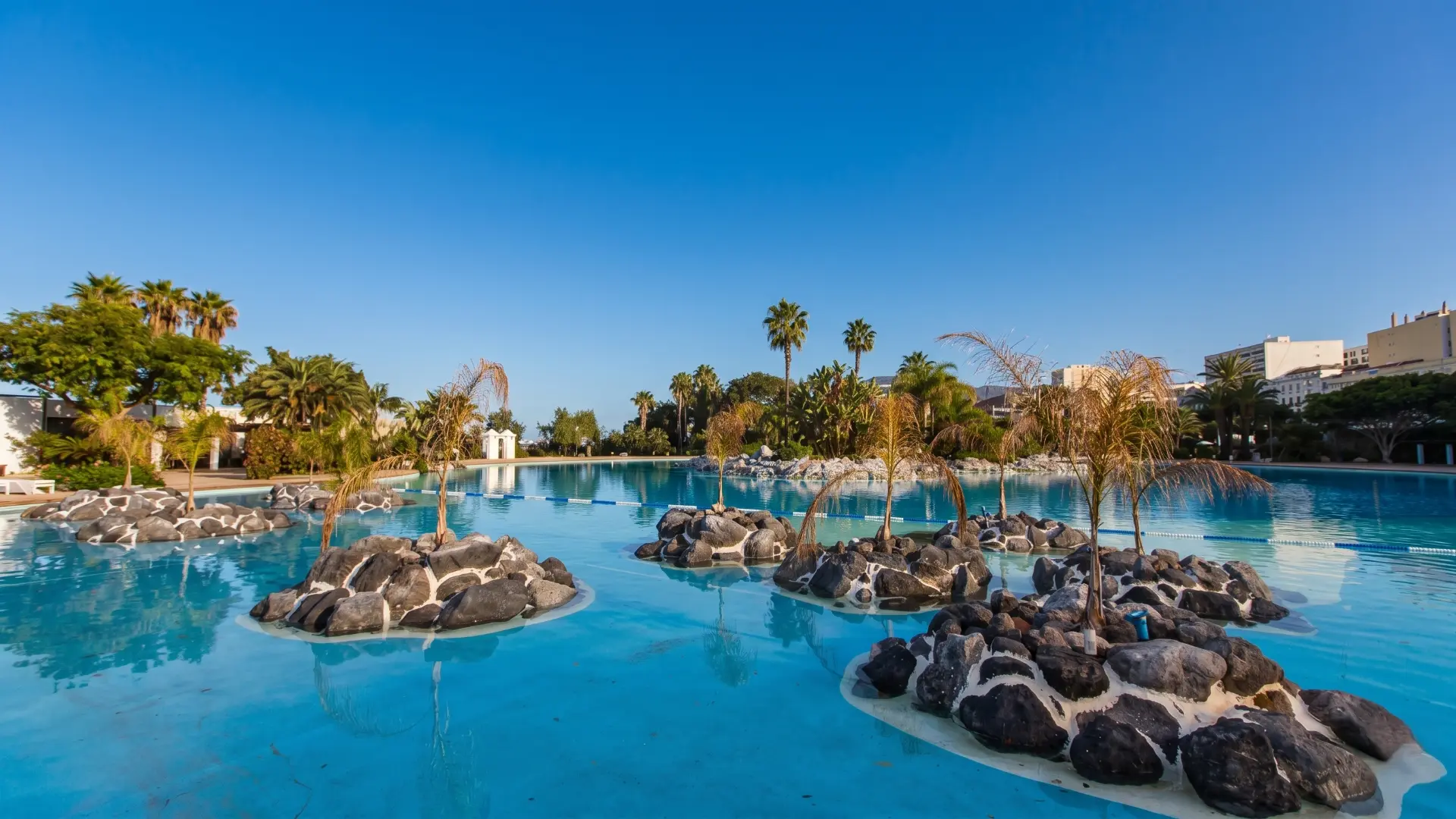
Mediterranean Maritime Park (Parque Marítimo del Mediterráneo)
Designed by César Manrique, this 56,000-square-meter oasis blends saltwater lagoons, waterfalls, and palm trees right in the city center. I paid €6.50 for entry (well worth it) and spent hours wandering the pathways. Budget hack: I brought my own towel and skipped renting a sunbed. The park’s natural rock formations make perfect lounging spots.
Hercules Statues & The Pillars Myth
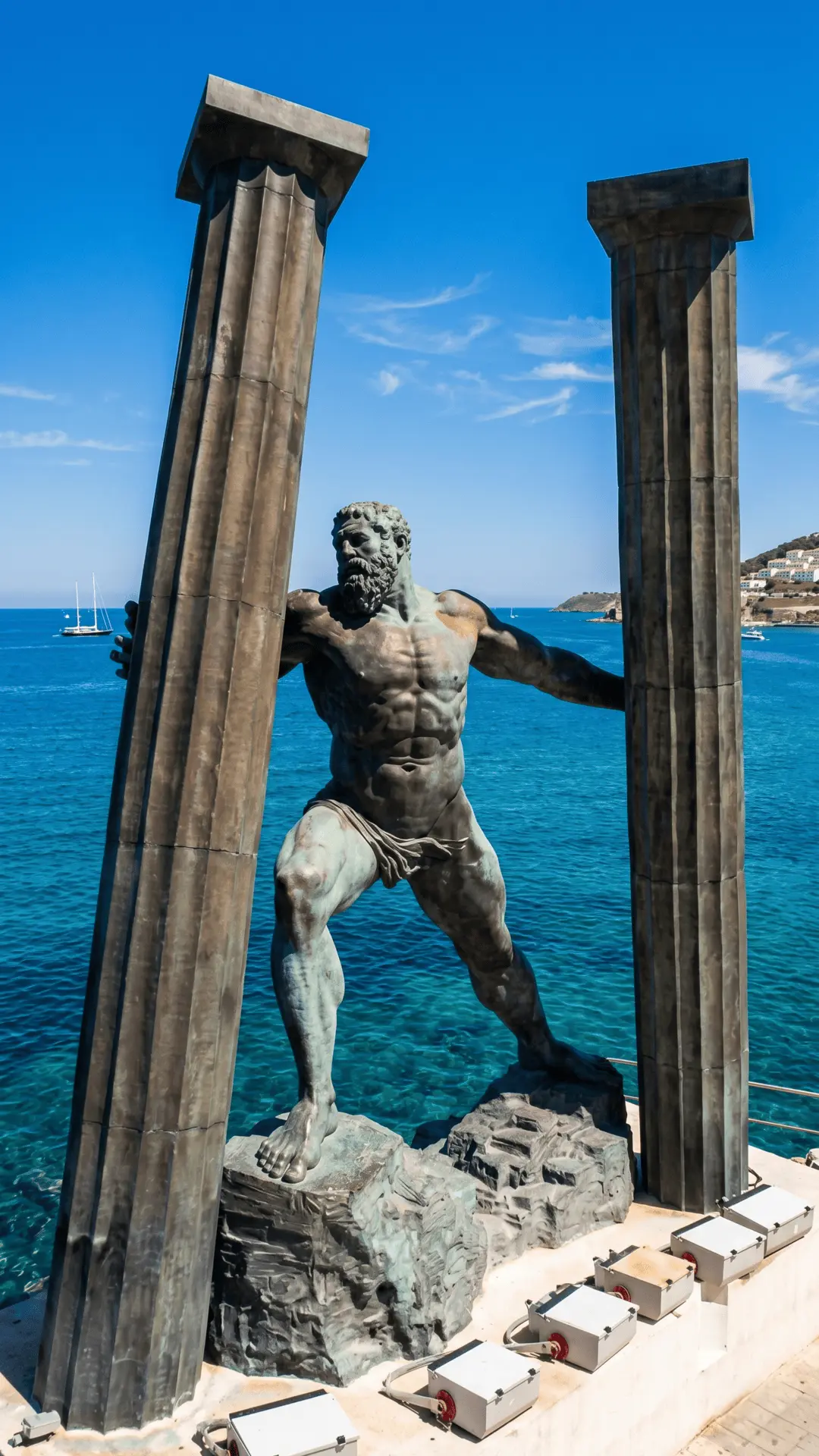
I was blown away by these seven-meter-tall bronze sculptures by local artist Ginés Serrán Pagán. They depict Hercules separating Africa and Europe—a nod to Ceuta’s mythological identity as “Abyla,” one of the Pillars of Hercules (Gibraltar is “Calpe”). The statues stand near the port, free to visit, and make a dramatic photo backdrop at golden hour.
Ceuta Museum (Museo del Revellín)
Housed in a neoclassical former military barracks, this museum offers a compact but rich overview of Ceuta’s archaeology and history. Entry is ~€3, and I spent about 45 minutes exploring the permanent collection. It’s air-conditioned—a welcome respite on hot days—and the temporary exhibitions often highlight local artists.
Statue of Al-Idrisi
Tucked beneath the Baluarte de los Mallorquines, this tribute to the 12th-century Ceuta-born geographer Al-Idrisi is a quiet gem. I love stopping here during a historic walking route. It’s free, peaceful, and reminds me how deeply this city is woven into global exploration history.
Monte Hacho & Desnarigado Fortress
I hiked up Monte Hacho in the late afternoon, and the payoff was spectacular. The Desnarigado Fortress—once a pirate hideout, now a military architecture museum—offers panoramic views of Ceuta, Morocco, and the Strait. Entry is modest (~€4), and the trail is manageable for most fitness levels. I brought water, wore sturdy shoes, and took my time.
Ceuta’s Unique Beaches
What makes Ceuta’s coastline special? It’s kissed by both the Atlantic and the Mediterranean. After a morning of sightseeing, I headed to one of three beaches:
- La Ribera: Central, sandy, and perfect for a quick dip.
- El Chorrillo: Slightly quieter, with calm waters ideal for snorkeling.
- Benzú: Green hills, fewer crowds, and the last beach before the Moroccan border.
All are free to access. I packed a picnic, rented an umbrella for €1 at the Maritime Park, and spent the late afternoon watching the light shift over the water.
Where I Ate in Ceuta (Delicious & Budget-Friendly)
Ceuta’s food scene reflects its cultural blend: Spanish tapas bars sit alongside Moroccan-inspired diners, and prices are refreshingly affordable. My rule? Eat where the locals eat.
Bar El Mentidero (~€10–20 per person)
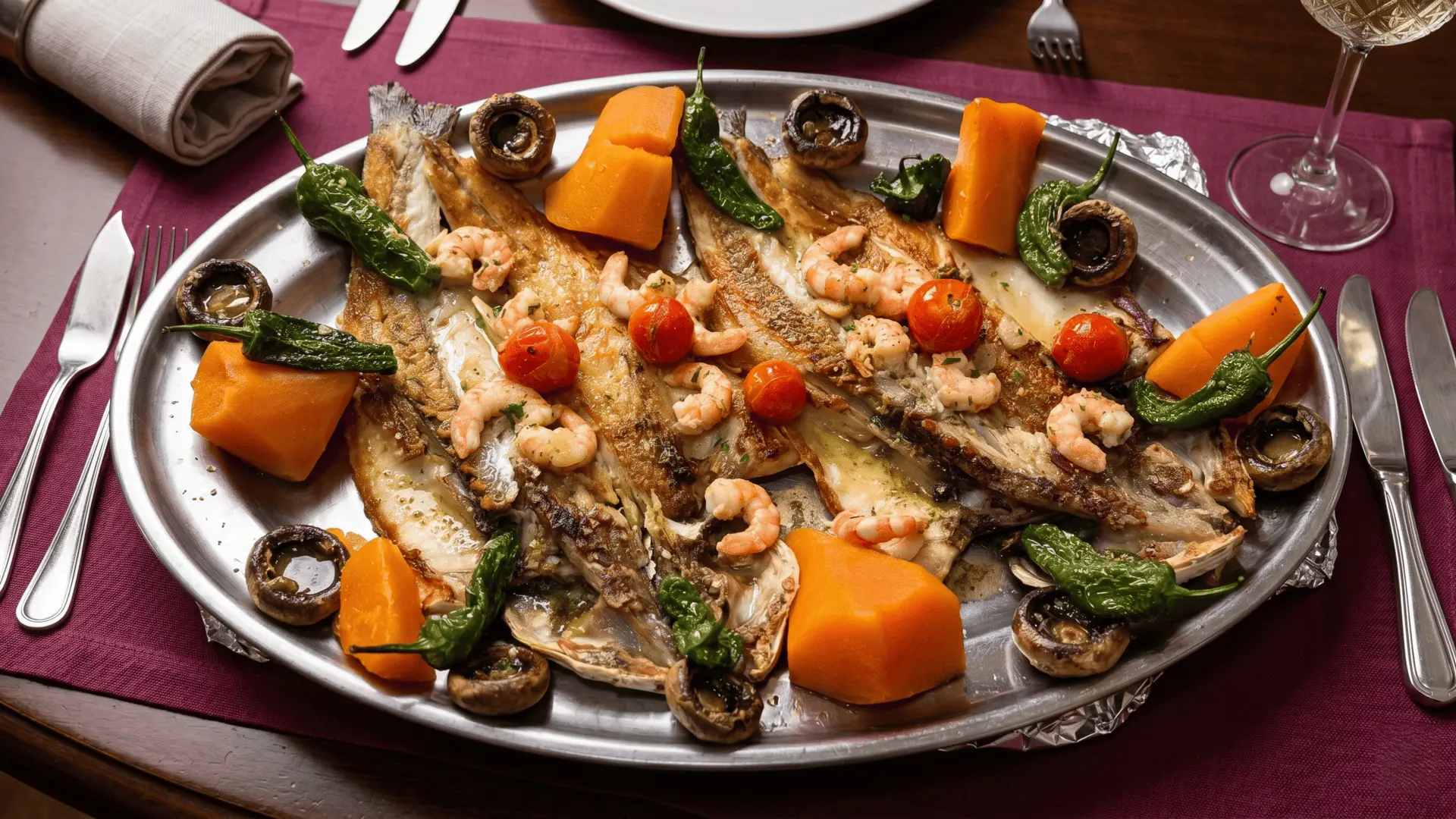
A short walk from the House of Dragons, this lively spot is my top recommendation for authentic, affordable tapas. I ordered pinchitos morunos (spiced pork skewers), patatas bravas, and fresh seafood. The atmosphere is casual, crowded with locals, and the portions are generous.
Restaurante El Mesón (~€10–20 per person)
Cozy, welcoming, and deeply traditional. I loved the beet salad, meatballs, and warm bread served with local olive oil. The owners greeted me like family, and the prices never surprised me.
Budget Food Tips I Swear By:
- Go for tapas or medias raciones (half-portions) to sample more without overspending.
- Eat lunch like a local: Many spots offer menú del día (fixed-price lunch) for €8–12, including bread, a drink, and dessert.
- Grab breakfast at a neighborhood café: A coffee and tostada con tomate costs ~€2–3 and fuels a morning of exploring.
- Carry a reusable water bottle: Tap water is safe, and refill stations are common.
Where I Stayed in Ceuta (Budget-Friendly & Central)
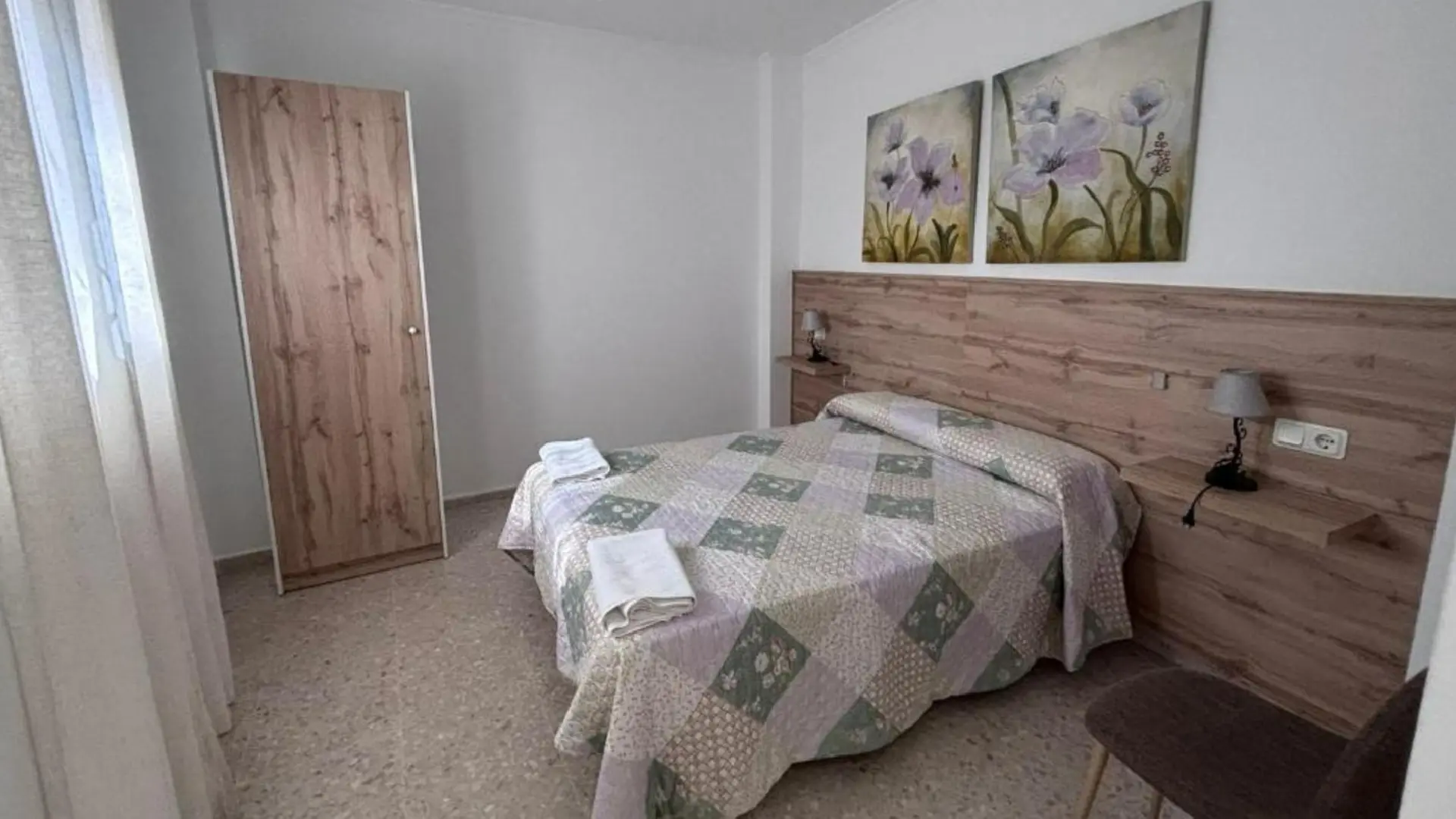
I chose Hostal Gutiérrez, located right on Plaza del Teniente Ruiz. For ~$50/night, I got a clean, stylish room with modern amenities, free Wi-Fi, air conditioning, and a central location that put me steps from everything. The staff helped me plan my day, and the quiet courtyard was perfect for evening journaling.
Other budget options I researched:
- Pensión La Muralla: Simple, clean, and even cheaper (~$35–40/night), though slightly further from the main sights.
- Airbnb apartments: I saw entire studios for ~$45–60/night—great if you prefer kitchen access.
Booking tip: I always filter for “free cancellation” on Booking.com and message hosts directly for potential discounts during shoulder season.
My Essential Ceuta Travel Tips
After my visit, these are the lessons I wish I’d known beforehand:
- Carry cash in small denominations: Some smaller cafés and markets prefer euros under €20. I break larger bills at supermarkets or bank ATMs (avoid Euronet).
- Respect the border: If crossing via Morocco, I keep my passport handy, avoid photographing security infrastructure, and allow extra time for procedures.
- Wear layers: Ceuta’s coastal location means breezy mornings and warm afternoons. I pack a light jacket even in summer.
- Learn a few Spanish phrases: While many locals speak English, a simple hola, gracias, or por favor opens doors and earns smiles.
- Download offline maps: Cell service can be spotty near the border or on hiking trails. I save Google Maps areas offline before leaving home.
- Check ferry schedules in advance: I book return tickets early during peak season to avoid sold-out crossings.
Final Thoughts
Ceuta doesn’t shout for attention. It whispers. It invites me to wander without a rigid itinerary, to linger over coffee in a sunlit plaza, to trace the contours of ancient walls while the sea breeze carries the call to prayer from a nearby mosque. I came expecting a geographic curiosity and left with a deeper appreciation for the places that exist between categories.
If you’re traveling on a budget, Ceuta won’t just accommodate you—it will welcome you. If you’re seeking culture, you’ll find Spanish and Moroccan influences woven into every street. If you’re chasing beauty, you’ll discover it in fortress silhouettes at sunset, in the intricate ironwork of a modernist balcony, in the quiet smile of a café owner who remembers your order.
I’ve already started dreaming of my return. Have I mapped out my Ceuta itinerary yet, or am I still gathering courage for this unique destination? Drop your questions below—I’m always happy to share exact ferry booking links, my favorite sunset viewpoints, or how I navigated the border crossing without stress. Save this guide, share it with your travel companion, and pack your curiosity. I’ll see you where Spain meets Africa.